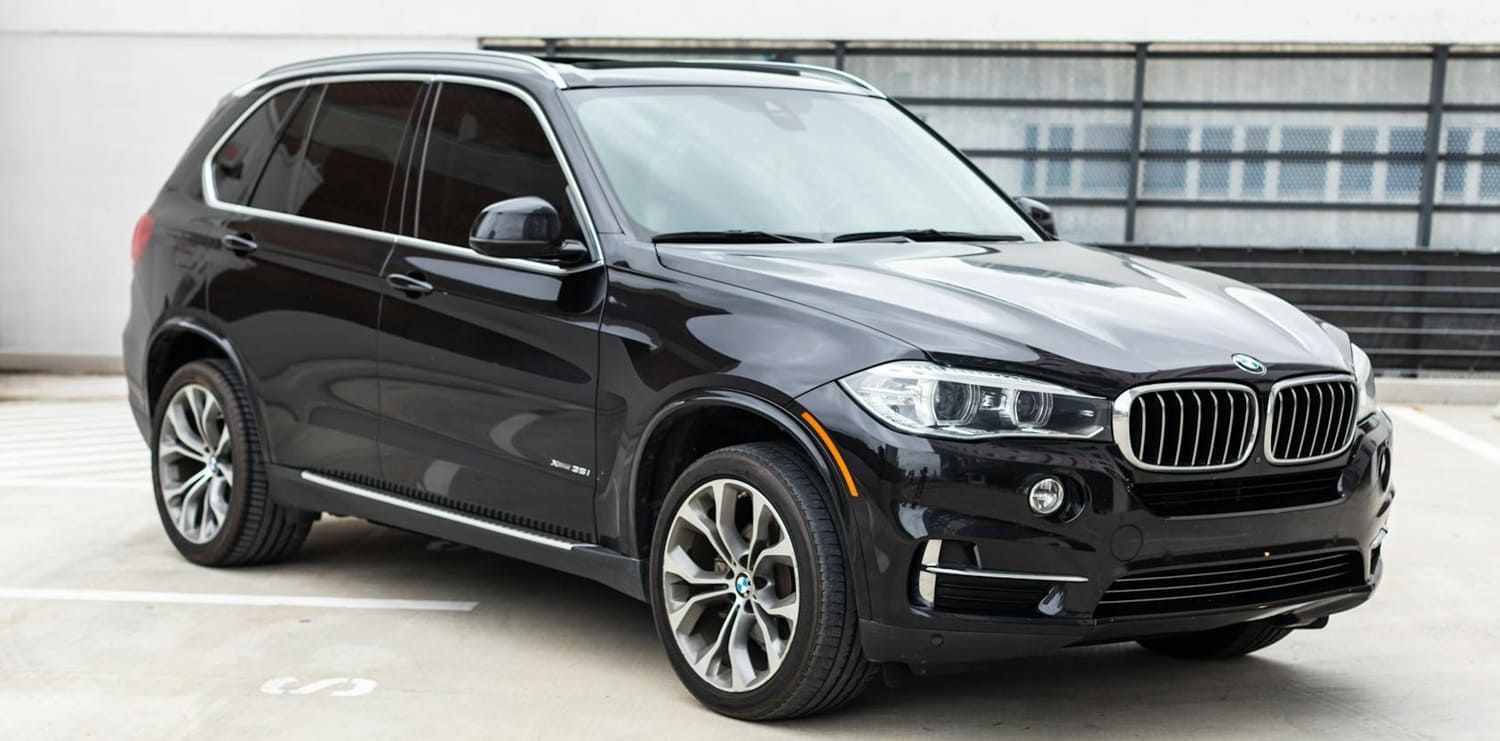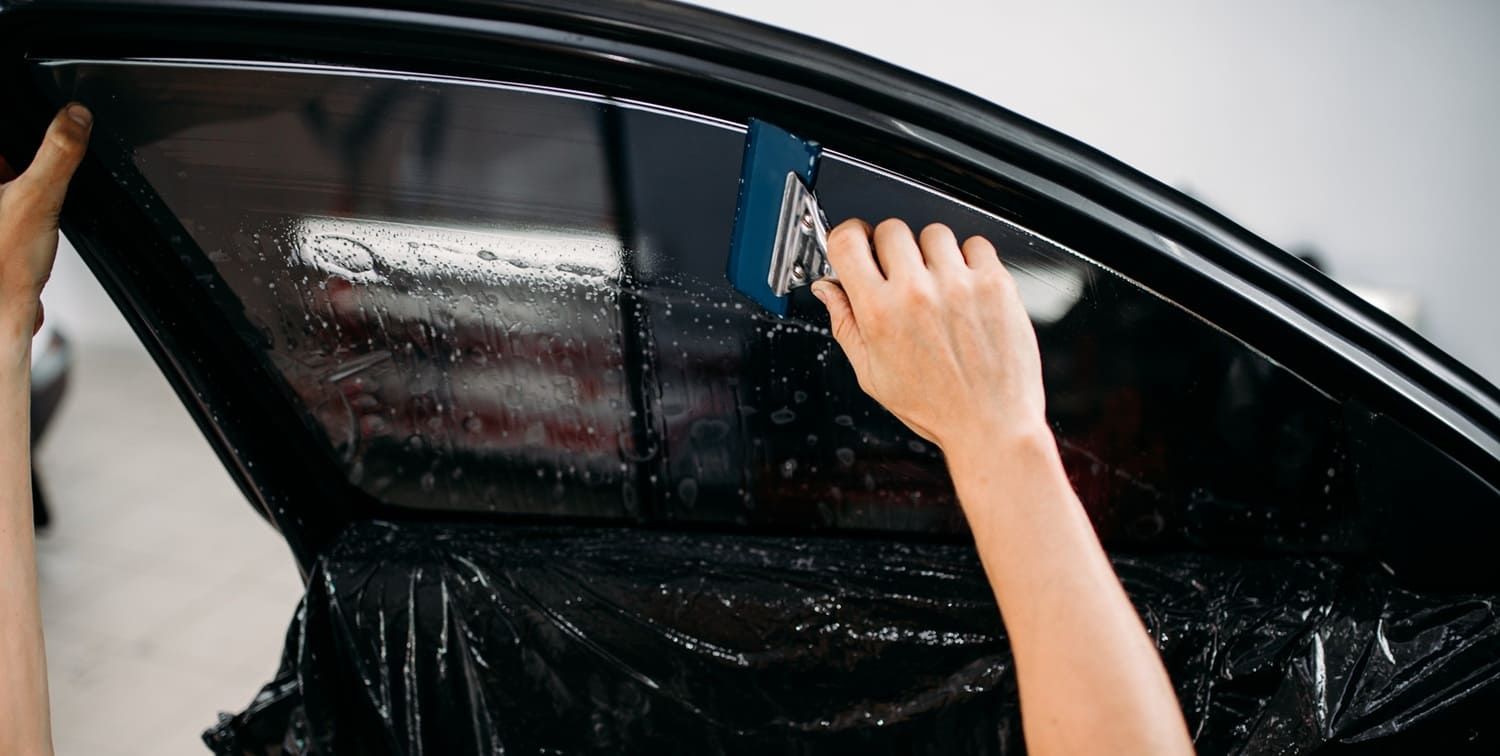
Windshield Tint in Florida: What's Legal Above the AS-1 Line?
If you've been shopping for window tint and keep running into the term "AS-1 line," you're not alone — it's one of the most misunderstood parts of Florida's tint laws. Many drivers assume windshield tint is either completely illegal or a gray area best avoided altogether. In reality, Florida law does allow a specific type of tint on a specific portion of your windshield — you just need to know exactly where that line is and what kind of film is allowed above it.
For drivers throughout Gainesville and North Central Florida, getting this right matters. Illegal windshield tint is one of the more common — and more visible — violations law enforcement checks for, and it's an easy mistake to make if you're not working with an installer who knows the current regulations. In this guide, Custom Glass Tinting breaks down exactly what "AS-1" means, what's legal above it, and what to avoid when it comes to windshield tinting in Florida.
What Is the AS-1 Line, and Why Does It Matter?
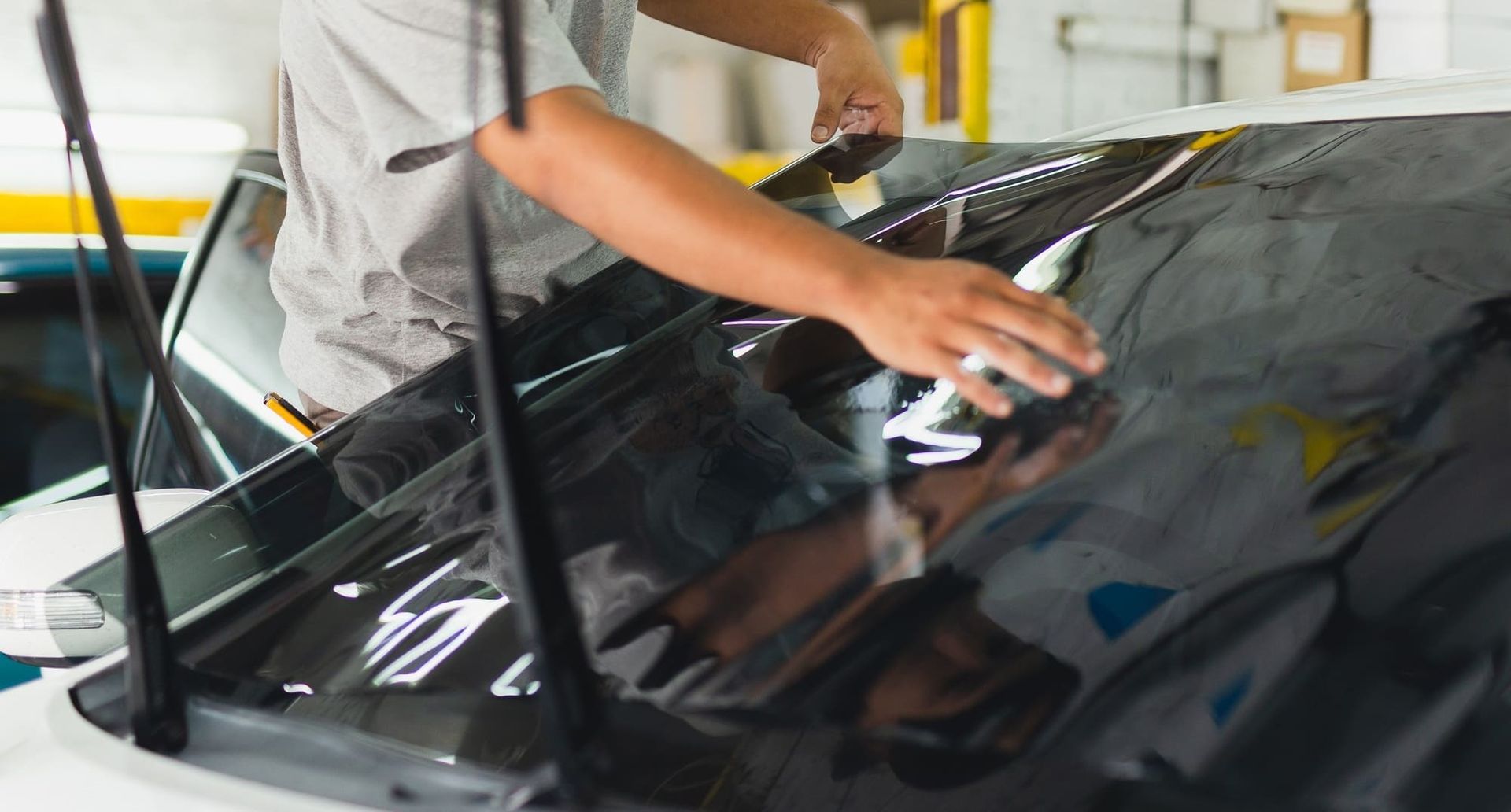
The AS-1 line refers to a manufacturer-marked line on your windshield, typically located a few inches down from the top edge. This line exists because windshields are treated differently from side and rear windows under Florida law — the windshield is considered critical to driver visibility, so tinting rules are much stricter here than for other windows.
Under Florida law, non-reflective tint is permitted only above the manufacturer's AS-1 line. This means the lower, larger portion of your windshield — the area you actually look through while driving — must remain untinted. Only the narrow strip at the very top, often referred to as a "sun strip" or "eyebrow," can legally have tint film applied.
This rule applies the same way to both sedans and SUVs or vans in Florida — there's no difference in windshield tint allowance based on vehicle type, unlike the rules for side and rear windows.
What Type of Tint Is Legal Above the AS-1 Line?
Florida law is specific about what qualifies as legal above this line: non-reflective tint only. This is an important distinction, because not every dark film on the market meets this standard.
Non-Reflective vs. Reflective Film
Reflective, mirrored, or metallic-style films — the kind that create a shiny, mirror-like appearance from the outside — are not permitted on Florida windshields, even above the AS-1 line. Only non-reflective film is allowed in this zone, which rules out certain flashier film types some drivers might be drawn to for style purposes.
No Colored Tint
Florida law also prohibits colored tint film statewide, including above the AS-1 line. This means options like blue, red, or purple-tinted film are off the table no matter where they're applied on the vehicle.
Darkness Isn't the Deciding Factor Above the AS-1 Line
Unlike your front and back side windows, which have specific minimum light-transmission percentages you must stay above, the AS-1 strip doesn't carry the same VLT percentage requirement — the key restriction is that the tint must be non-reflective and applied only within that top strip, not extending down into your primary field of vision.
Florida's Full Tint Law Breakdown: Where the Windshield Fits In
To understand why windshield tint is treated so differently, it helps to see how it compares to the rest of Florida's window tint regulations. Florida's tint darkness laws, last updated in 2015, set specific visible light transmission (VLT) minimums for every window — except the windshield, which follows the AS-1 rule instead.
| Window | Sedans | SUVs & Vans |
|---|---|---|
| Windshield | Non-reflective tint above AS-1 line only | Non-reflective tint above AS-1 line only |
| Front side windows | Must allow more than 28% light in | Must allow more than 28% light in |
| Back side windows | Must allow more than 15% light in | Must allow more than 6% light in |
| Rear window | Must allow more than 15% light in | Must allow more than 6% light in |
Notice that SUVs and vans get more flexibility on rear and back side windows than sedans — but windshield rules stay identical across every vehicle type. There's no version of Florida law that allows darker or different windshield tint just because you're driving an SUV instead of a sedan.
Reflection Limits Also Apply
Beyond darkness, Florida law also regulates how reflective your tint can be, which ties directly into why non-reflective film is required on the windshield. For side windows, the law caps front window reflection at no more than 25%, and back window reflection at no more than 35%. Since the windshield permits no reflective tint at all above the AS-1 line, it's actually the strictest reflection standard of any window on your vehicle.
Other Florida Tint Rules Worth Knowing
A few additional statewide rules matter when you're planning any tint job, windshield or otherwise:
- Dual side mirrors are required if any back windows are tinted, since rear visibility through the glass is reduced.
- Film manufacturers aren't required to certify their film in Florida, so choosing a reputable, experienced installer matters more than relying on packaging claims.
- A compliance sticker is required on the inside of the driver's side door jamb to identify legal tint.
- Medical exemptions exist for drivers who need darker tint for medical reasons, though specific terms should be confirmed with your local DMV or the state.
It's also worth noting that Florida tint law is applied statewide, but interpretation can occasionally vary slightly by county or local law enforcement discretion — another reason working with an experienced local installer, rather than guessing based on out-of-state information, is worth it.

Why Windshield Tint Mistakes Are Easy to Make
Windshield tint violations tend to happen for a few common reasons:
1. Extending Film Too Far Down
It can be tempting to extend a sun strip lower than the AS-1 line for extra glare or heat protection — but doing so puts you outside legal limits immediately, since the entire driving field of view on the windshield must remain tint-free.
2. Choosing Reflective Film for Style
Some drivers are drawn to mirrored or metallic-looking strips for aesthetic reasons, not realizing reflective film isn't permitted on the windshield at all in Florida, regardless of placement.
3. Assuming Out-of-State Rules Apply
Tint laws vary significantly by state. A windshield tint setup that's legal in another state may not meet Florida's specific non-reflective, AS-1-only standard.
4. DIY Kits Without Knowing the AS-1 Line's Exact Location
The AS-1 line is a specific manufacturer-marked point that varies slightly by vehicle. Installing film without correctly identifying it risks covering too much of the windshield, even unintentionally.
How Custom Glass Tinting Keeps Your Windshield Tint Legal
As a LLumar SelectPro Dealer serving Gainesville and North Central Florida, Custom Glass Tinting's trained installers understand exactly where the AS-1 line sits on different vehicle makes and models, and use only non-reflective, non-colored film that complies with Florida law above that line. This isn't guesswork — it's a standard part of how every windshield tint job is measured and installed, so drivers can enjoy reduced glare and UV protection at the top of their windshield without risking a violation.
Frequently Asked Questions
What is the AS-1 line on a windshield?
The AS-1 line is a manufacturer-marked line located near the top of your windshield. In Florida, non-reflective tint is only permitted above this line, meaning the lower, primary viewing area of the windshield must remain untinted.
Can I get my entire windshield tinted in Florida?
No. Florida law only allows non-reflective tint above the manufacturer's AS-1 line. Tinting the full windshield, including the main driving field of view, is not legal.
Is reflective tint allowed on windshields in Florida?
No. Even above the AS-1 line, only non-reflective tint is permitted on Florida windshields. Mirrored or metallic-style reflective film is not allowed on this part of the vehicle.
Does the AS-1 line rule apply to SUVs and vans differently than sedans?
No. Unlike side and rear window tint darkness rules, which differ between sedans and SUVs/vans, the windshield AS-1 rule is the same across all vehicle types in Florida.
Can I get colored tint on the strip above the AS-1 line?
No. Florida law prohibits colored window tint statewide, including on the windshield strip above the AS-1 line.
What happens if my windshield tint is applied incorrectly?
Windshield tint that extends below the AS-1 line, uses reflective film, or uses colored film can result in a citation and may require the film to be removed to bring the vehicle into compliance.
Get Your Windshield Tint Done Right the First Time
Windshield tint is one of the easiest places to accidentally run afoul of Florida law — but it's also one of the simplest to get right with an experienced local installer. Custom Glass Tinting has been serving Gainesville and North Central Florida since 1981, with trained technicians who know exactly where the AS-1 line falls and how to keep every tint job fully compliant with current Florida regulations.
Call (352) 377-8468 or request a free estimate online to get windshield tint — and your full vehicle — done legally, professionally, and backed by industry-leading warranties.