Ceramic vs Carbon Tint: Best for Florida Heat 2026 Guide
Ceramic vs carbon tint is one of the most common questions we hear from drivers and homeowners across Gainesville and North Central Florida. The reason is simple: Florida heat, humidity, and UV exposure do not take a season off. If your vehicle sits in a parking lot in Gainesville, Newberry, Alachua, High Springs, Ocala, or Lake City, you feel the cabin heat spike fast. If you own a home with sun-facing windows, you see fading floors, glare, and higher cooling demand. In 2026, ceramic and carbon window tint are the two most popular “premium” film categories, and both outperform basic dyed film. But they are not interchangeable. They differ in how they reject infrared heat, how they look over time, and how they price out when you consider long-term value. Ceramic tint is widely considered the top performer for Florida’s climate , but the right choice depends on budget, vehicle type, aesthetics, and performance priorities. This guide breaks it down clearly so you can choose with confidence.
Table of Contents
- What Is Carbon Window Tint and How Does It Work?
- What Is Ceramic Window Tint and How Does It Work?
- Ceramic vs Carbon Tint: Head-to-Head Performance Comparison for Florida Heat
- Which Window Tint Is Best for Florida Drivers in 2026?
- Ceramic vs Carbon Tint for Home and Commercial Windows in Florida
- How Florida Tint Laws Affect Your Film Choice in 2026
- How to Choose a Professional Window Tint Installer in Gainesville and North Central Florida
What Is Carbon Window Tint and How Does It Work?
Direct answer: Carbon window tint is a non-metal, dyed-and-carbon blended film designed to reduce glare, improve appearance, and offer better heat performance than basic dyed film, usually with strong color stability compared to entry-level options.
How carbon tint is made
Carbon films typically use a carbon-based layer that helps absorb and dissipate solar energy. Unlike older metallic films, quality carbon films are generally signal-friendly because they do not rely on reflective metal particles for performance. This matters for modern vehicles in 2026 that depend on connected tech, GPS, and mobile devices.
Carbon tint is often positioned as a “mid to upper tier” film: it looks darker and more uniform than cheap dyed film, and it usually resists turning purple better than basic dyed products. In Florida, that color stability is a big deal because UV exposure is intense and constant.
What carbon tint does well in Florida
- Glare control: Helpful on bright I-75 drives toward Ocala or long commutes into Gainesville during low-angle morning sun.
- Appearance: Many drivers prefer the deep, neutral tone carbon films can provide.
- Value: Carbon tint can be a strong “best bang for the buck” upgrade over dyed film when you want better comfort without jumping to top-tier pricing.
Where carbon tint hits limits
Florida’s real test is infrared heat rejection . Carbon tint can help, but in many cases it does not match the best window tint for Florida heat performance you can get from ceramic or nano-ceramic films. That gap becomes obvious on vehicles with large glass areas, black interiors, or drivers who park outside daily.
What Is Ceramic Window Tint and How Does It Work?
Direct answer: Ceramic window tint uses advanced ceramic particles to block heat-carrying infrared energy and 99% of UV, while staying non-metal and signal-friendly. For Florida, it is often the most effective all-around category for comfort and long-term durability.
Why ceramic performs better in hot climates
Ceramic films are engineered to reduce solar load using ceramic technology rather than relying on dark dye or reflective metal. That means ceramic can deliver strong heat rejection while keeping clarity high, which is especially valuable for drivers who want visibility and homeowners who do not want a mirrored look.
For Gainesville drivers, ceramic tint can feel like a “system upgrade” rather than a cosmetic change. When your cabin stays cooler, your AC works less aggressively, and your interior is better protected. For homeowners, ceramic window film can lower glare and improve comfort in rooms that get Florida afternoon sun.
Ceramic vs nano-ceramic in 2026
In 2026 you will also hear “nano-ceramic” frequently. Nano-ceramic is generally positioned as a higher-performance ceramic class that targets even stronger infrared rejection while maintaining clarity. A common example in premium automotive film lines is FormulaOne Stratos , which is a nano-ceramic option designed for drivers who want top-tier heat and IR performance.
Brand positioning and product families you will see locally
Custom Glass Tinting uses FormulaOne High Performance Window Tint by LLumar , including the Stratos Series (nano-ceramic) , Pinnacle Series (ceramic) , CTX Series (ceramic) , and Classic Series . These product families are popular in Florida because they are built for heat, UV exposure, and long-term color stability, while remaining signal-friendly.
Ceramic vs Carbon Tint: Head-to-Head Performance Comparison for Florida Heat
Direct answer: For Florida heat and humidity, ceramic and nano-ceramic usually win on infrared rejection and long-term comfort, while carbon can win on price and still outperform basic dyed film.
What Florida owners should compare first
- Heat rejection: “Does it actually keep the cabin or room cooler?”
- UV protection: “Will it protect skin and reduce fading?”
- IR rejection: “How well does it block heat you feel on your arm?”
- Signal interference: “Will it affect GPS, radio, or cell?”
- Color stability: “Will it stay neutral over years in Florida sun?”
- Value: “What is the long-term payoff vs upfront cost?”
Structured comparison: Carbon vs Ceramic vs Nano-Ceramic
Use this as a fast reference for search intent questions like carbon tint vs ceramic tint comparison and ceramic vs carbon window tint Florida.
Carbon Window Tint
- Heat rejection performance: Good upgrade over dyed, but typically not top-tier for Florida’s peak heat.
- UV protection level: High in quality films, often marketed at 99% UV blockage.
- Infrared (IR) rejection: Moderate compared to ceramic categories.
- Signal interference (GPS, radio, cell): Typically minimal because it is non-metal.
- Appearance and color stability over time: Usually better than cheap dyed, often more stable and less likely to shift purple when quality film is used.
- Price range: Mid-range.
- Best suited for: Auto, and sometimes residential depending on film type and goals.
Ceramic Window Tint (Example: FormulaOne Pinnacle, LLumar CTX)
- Heat rejection performance: Strong for Florida, noticeable comfort improvement in vehicles and homes.
- UV protection level: Typically 99% UV blockage in premium lines.
- Infrared (IR) rejection: High, commonly the main reason owners upgrade.
- Signal interference (GPS, radio, cell): Minimal because ceramic is non-metal.
- Appearance and color stability over time: Excellent in premium films, designed to stay neutral and clear.
- Price range: Upper mid-range.
- Best suited for: Auto, residential, and many commercial windows.
Nano-Ceramic Window Tint (Example: FormulaOne Stratos)
- Heat rejection performance: Top-tier for Florida heat, designed for maximum comfort.
- UV protection level: Typically 99% UV blockage in premium lines.
- Infrared (IR) rejection: Very high, often the “best available” category within a brand lineup.
- Signal interference (GPS, radio, cell): Minimal due to non-metal construction.
- Appearance and color stability over time: Premium clarity with long-term stability.
- Price range: Premium.
- Best suited for: Auto and homeowners who want maximum heat control, subject to glass type and application needs.
FormulaOne Pinnacle vs FormulaOne Stratos (Florida driver focus)
If you are deciding between two premium options, this is a common Gainesville question: FormulaOne ceramic window tint in Pinnacle vs nano-ceramic Stratos.
- Heat rejection: Stratos is generally positioned as the higher heat and IR performer; Pinnacle is a strong ceramic choice with excellent comfort.
- Clarity: Both are designed for high clarity; nano-ceramic options are often chosen when drivers want maximum performance without sacrificing looks.
- Warranty: Premium FormulaOne films are typically backed by a lifetime manufacturer warranty when installed by an authorized dealer.
- Recommended use cases: Pinnacle is a high-value ceramic solution for daily drivers and family vehicles; Stratos is ideal when you want the highest heat performance, drive long hours, park outside, or have large glass areas that load the cabin with heat.
Which Window Tint Is Best for Florida Drivers in 2026?
Direct answer: If your priority is maximum heat and IR comfort in Florida, choose ceramic or nano-ceramic. If your priority is a solid upgrade at a lower price, choose a quality carbon film. For many owners, ceramic is the “best overall” in 2026.
Match film choice to how you actually drive
In Gainesville, your tint decision is not only about style. It is about your parking reality and your drive pattern.
- Daily outdoor parking (work lots, campus, shopping centers): Ceramic or nano-ceramic typically pays back in comfort quickly.
- Highway commuters (Lake City to Gainesville, Ocala to Alachua County): Strong IR rejection helps reduce that “radiant heat” sensation and can reduce fatigue.
- Weekend enthusiast vehicles: Many enthusiasts pair premium tint with paint protection film and detailing to protect interior materials and keep the car feeling newer.
Electric vehicles and tech-heavy vehicles
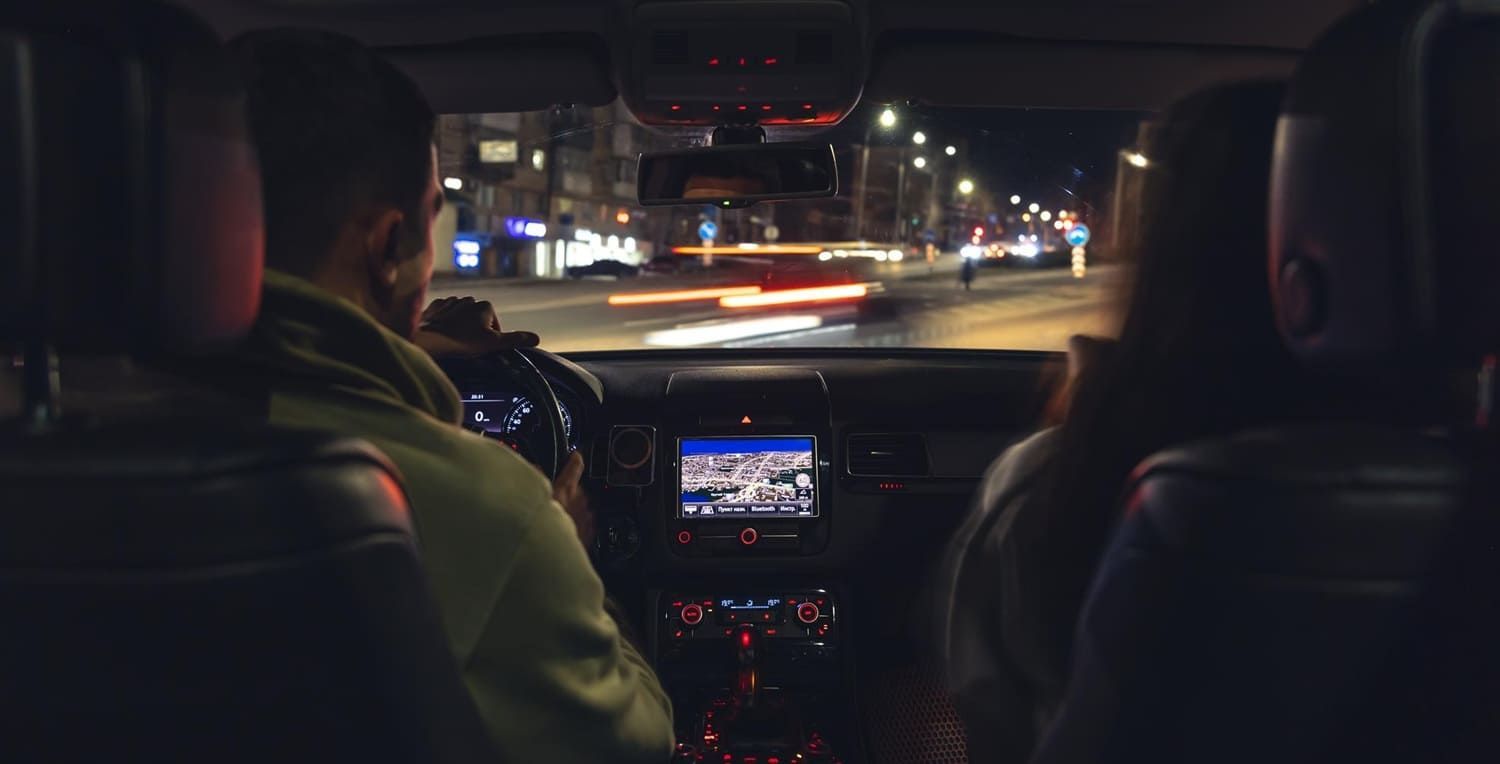
Modern vehicles rely heavily on electronics. A non-metal premium film category like ceramic and nano-ceramic is popular because it is designed to be signal-friendly. If you rely on navigation daily, or you drive a vehicle loaded with driver assistance tech, ask your installer for a film option engineered for connectivity.
Best auto window tint for hot climates: what “best” really means
Searchers often ask for “the best.” In practice, best means the film that matches your priorities:
- Best for maximum comfort: Nano-ceramic (example: FormulaOne Stratos).
- Best balance of performance and price: Ceramic (example: FormulaOne Pinnacle or LLumar CTX).
- Best budget-friendly premium upgrade: Carbon (and in some cases, a quality entry level film like Classic depending on goals).
Ceramic vs Carbon Tint for Home and Commercial Windows in Florida
Direct answer: For homes and businesses in Florida, ceramic films are often preferred when you want high heat control without making rooms too dark. Carbon can be useful for glare and privacy goals, but ceramic often delivers better comfort per square foot when heat is the main pain point.
Common Gainesville homeowner problems tint solves
- Hot rooms: West-facing living rooms and sunrooms that overheat in the afternoon.
- Glare: TV glare and uncomfortable brightness during peak sun.
- Fading: Flooring, furniture, artwork, and upholstery damage from UV exposure.
- Privacy: Street-facing windows, bathrooms, or offices where you want daytime privacy.
Residential film performance priorities differ from automotive
Homeowners often want comfort improvements without making interior spaces feel like sunglasses. That pushes many Florida property owners toward ceramic-type solutions that can reduce heat while maintaining a natural look.
For commercial windows, the same logic applies, plus energy cost control and occupant comfort. If you manage an office in Gainesville or a storefront in Ocala, controlling solar heat gain can improve customer experience and reduce hot spots near glass.
Practical guidance for homes and businesses
- If glare and privacy are the main issue: Carbon or specialty films can be a fit.
- If heat rejection is the main issue: Ceramic or nano-ceramic options are usually the best route.
- If you need a premium, balanced solution: Ask about ceramic product lines like CTX or Pinnacle, and compare to nano-ceramic for maximum performance.
How Florida Tint Laws Affect Your Film Choice in 2026
Direct answer: Florida tint laws are mostly about visible light transmission (VLT) and reflectivity, not whether your film is carbon or ceramic. Your best strategy is to choose the performance category you want, then pick a legal VLT that matches your visibility needs.
What most drivers get wrong about legality
Many people assume “ceramic is legal” and “carbon is not,” or that one material type changes legality. In reality, legality depends on the installed VLT percentage and other restrictions. That is why it is common to see people search for the best film and the legal tint percentage in the same session.
How to use laws to make a better choice
- If you want lighter glass for night driving: Ceramic can help because you can often achieve strong heat performance without going extremely dark.
- If you want the darkest look possible: You still need to keep VLT legal for your vehicle type and window position.
- If you drive across counties: Staying compliant reduces the risk of issues when driving between Gainesville, Lake City, and Ocala.
Action step
Before you commit, ask your installer for a Florida-legal VLT recommendation and a written quote showing the film series and shade. That is one of the simplest ways to avoid frustration later.
How to Choose a Professional Window Tint Installer in Gainesville and North Central Florida
Direct answer: In Florida, the installer matters as much as the film. A premium ceramic film installed poorly can underperform, look worse, and fail early. Choose a professional shop with proven experience, premium film authorization, and clear warranty support.
What to look for in a Gainesville-area installer
- Authorized premium films: Ask whether they install premium lines like FormulaOne by LLumar and whether they are a SelectPro dealer.
- Clear warranty process: You want a lifetime manufacturer warranty explained in plain language.
- Local track record: Long-standing experience matters in a climate that stresses materials.
- Film options and education: A good shop can explain carbon tint vs ceramic tint comparison without pushing a one-size-fits-all answer.
Questions to ask (great for voice search and People Also Ask)
- Which film is best for Florida heat on my specific vehicle or windows?
- What VLT do you recommend for night driving and Florida legality?
- Do you offer FormulaOne Stratos, Pinnacle, and CTX? What is the difference?
- What aftercare steps should I follow in Florida humidity?
FAQ (10 questions)
What is the difference between ceramic and carbon window tint?
Carbon tint primarily improves glare control and offers a solid heat upgrade over dyed films, while ceramic tint uses ceramic technology to block more infrared heat and typically delivers higher comfort and clarity in Florida.
Is ceramic tint worth the extra cost in Florida?
Often yes, because Florida’s year-round heat means you benefit from stronger infrared rejection daily. The value is highest for outdoor parking, long commutes, and vehicles with lots of glass.
Does carbon tint block heat as well as ceramic tint?
Carbon can reduce heat compared to dyed tint, but ceramic and nano-ceramic are usually better for infrared heat control, which is a major comfort factor in Florida.
Which window tint is best for Florida's UV and humidity?
Premium ceramic and nano-ceramic films are typically preferred because they combine strong UV protection with high heat performance and long-term stability in harsh conditions.
Will ceramic tint interfere with my GPS or phone signal?
Ceramic films are non-metal, so signal interference is typically minimal compared to older metallic tints.
How long does ceramic window tint last in Florida heat?
Longevity depends on film quality and installation, but premium films are designed for long-term stability and are commonly backed by lifetime manufacturer warranties when installed by authorized dealers.
Is carbon tint legal in Florida?
Film type is not the legal issue. Legality depends on your installed VLT and other rules for specific windows. A professional installer can help you choose a legal shade.
Can I get ceramic tint for my home windows in Gainesville?
Yes. Ceramic window film is commonly used in residential applications to reduce heat, glare, and UV-related fading while keeping rooms comfortable and bright.
What is nano-ceramic window tint and is it better than regular ceramic?
Nano-ceramic is a higher-performance ceramic category that targets even stronger infrared rejection. It can be “better” for maximum heat comfort, but regular ceramic can be the best value for many drivers.
How much does ceramic window tint cost in Gainesville, Florida?
Pricing varies by vehicle type, number of windows, and film series. The best approach is to request a quote that lists the film line, shade, and warranty so you can compare value accurately.
Conclusion
If you want maximum comfort in Florida’s climate, ceramic and nano-ceramic window tint are usually the best-performing options because they target infrared heat while delivering 99% UV protection and signal-friendly technology. Carbon tint can be a smart upgrade over dyed film and can look excellent, but it typically has limits in extreme heat environments where IR performance matters most. The biggest deciding factor is often how you use your vehicle or space, and whether you park outside in direct sun.
For drivers and property owners searching for ceramic window tint Gainesville FL or window tinting near me Gainesville , installation quality is just as important as film choice. Custom Glass Tinting is Gainesville’s trusted window tinting expert with over 40 years of experience and more than 100 verified 5-star reviews . Contact Custom Glass Tinting for a free estimate and get the right FormulaOne High Performance Window Tint by LLumar for your goals, including Stratos , Pinnacle , CTX , or Classic .
Service area: Gainesville, Ocala, Lake City, Newberry, Alachua, High Springs, and surrounding North Central Florida.