PPF vs. Ceramic Coating: Which Protects Better Long-Term? A Guide for Gainesville Drivers
Paint protection film (PPF) protects better long-term. PPF is a thick, self-healing urethane film that physically absorbs rock chips, scratches, and road debris for 10 years or more. Ceramic coating is a thin liquid layer that adds gloss, UV resistance, and easy cleaning, but it can't stop chips or deep scratches. For maximum long-term protection, PPF wins. For the best of both, choose a PPF with a built-in ceramic-style top coat, such as LLumar Valor.
If you drive in Gainesville, Alachua, or anywhere in North Central Florida, your paint takes a beating. Gravel and debris fly up on I-75 and US-441. Lovebug season, tree sap, and bird droppings etch the clear coat. And the Florida sun works on your paint year-round. Both PPF and ceramic coating promise protection, but they work in very different ways.
This guide breaks down how each one works, how long each lasts, what they cost over time, and which makes the most sense for your vehicle and driving habits.
What Is the Difference Between PPF and Ceramic Coating?
The biggest difference is physical: PPF is a film, and ceramic coating is a liquid.
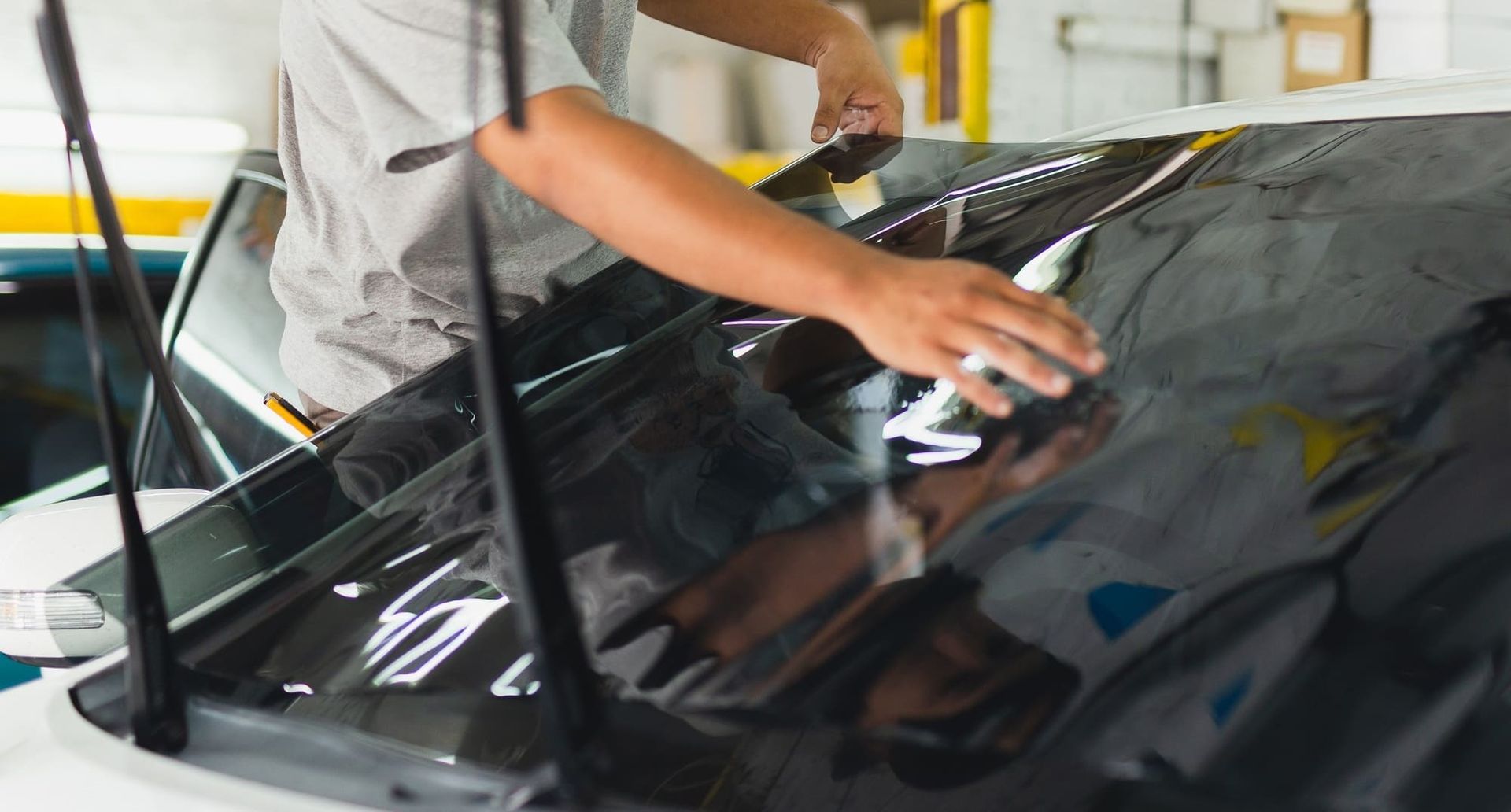
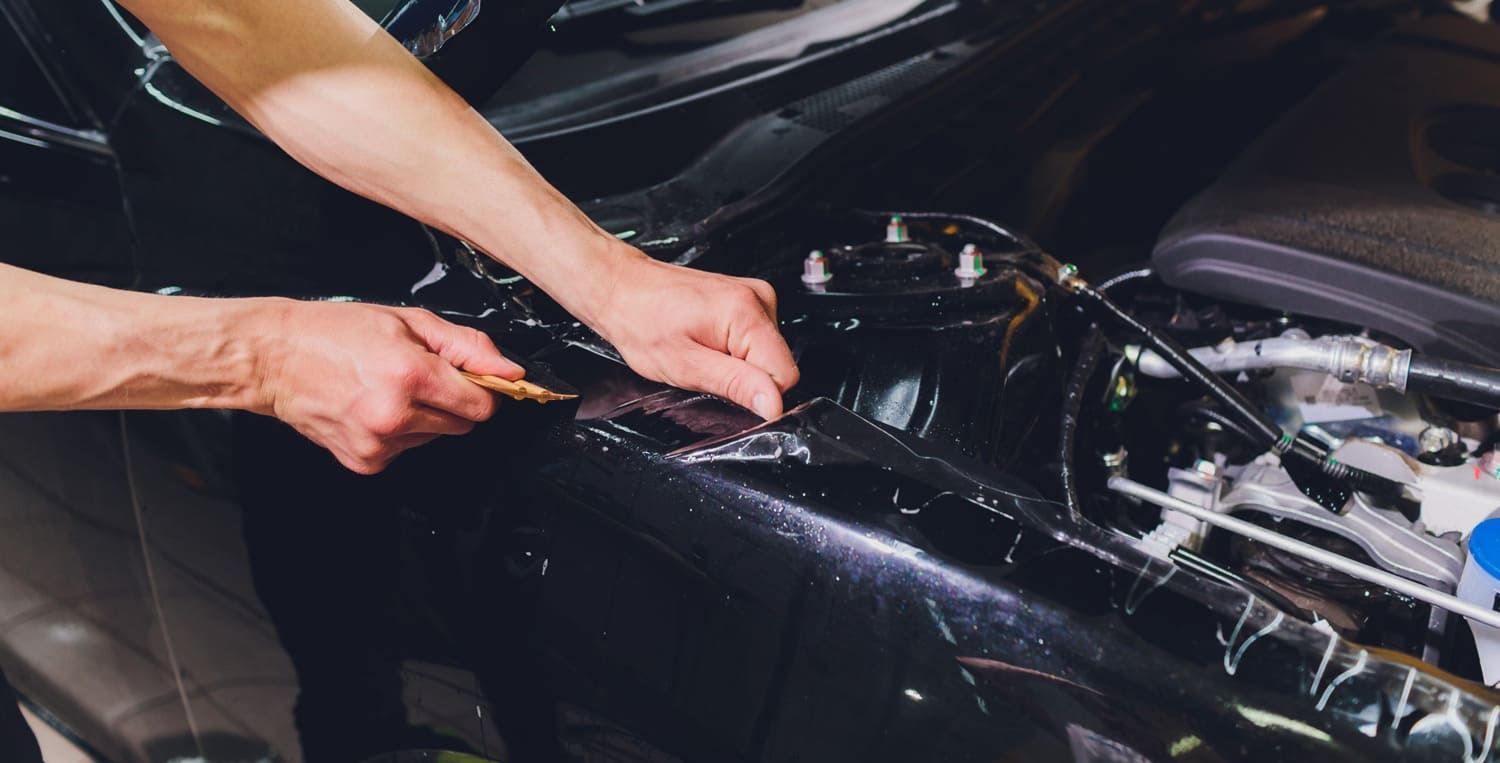
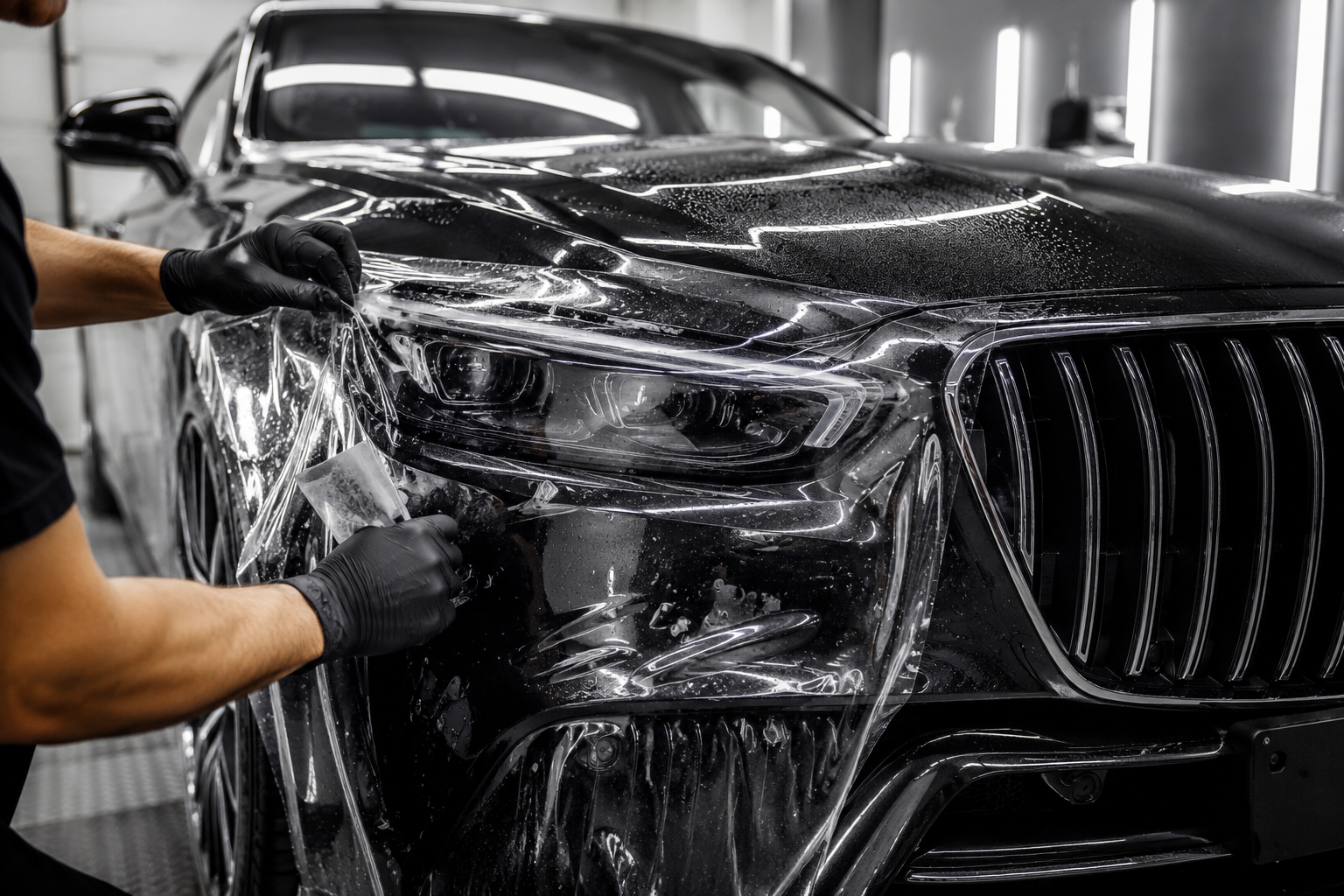
- Paint protection film (PPF) is a clear, flexible urethane film applied directly over your paint. It's several mils thick, many times thicker than a ceramic coating. That thickness lets it absorb impacts from rocks, gravel, and road debris before they reach your paint.
- Ceramic coating is a liquid polymer, typically silica-based, that's wiped onto the paint and cures into a hard, glossy layer. It's measured in microns. It bonds to the clear coat to repel water, resist chemical stains, and make washing easier, but it's far too thin to stop a rock chip.
A simple way to think about it: PPF is armor, and ceramic coating is a protective finish.
PPF vs. Ceramic Coating: Side-by-Side Comparison
| Feature | Paint Protection Film (PPF) | Ceramic Coating |
|---|---|---|
| What it is | Thick, clear urethane film | Thin liquid polymer layer |
| Rock chip protection | Excellent; absorbs impact | Minimal; too thin to stop chips |
| Scratch protection | Self-heals light scratches with heat | Resists light marring only; doesn't self-heal |
| Chemical and stain resistance | Strong (with HydroGard or Valor top coats) | Strong |
| Water-beading and easy cleaning | Good; excellent with Valor's hydrophobic top coat | Excellent |
| UV protection for paint | Yes | Yes |
| Typical lifespan | 10+ years (backed by 10–12 year LLumar warranties) | Several years, depending on product and care |
| Removable | Yes, without damaging factory paint | Wears away over time; must be polished off |
| Upfront cost | Higher | Lower |
| Best for | Long-term protection against physical damage | Gloss, easy washing, and chemical resistance |
Why Does Paint Protection Matter So Much in North Central Florida?
Florida's climate and roads are tough on automotive paint. Gainesville drivers deal with several hazards that make long-term protection worth considering:
- Lovebug season. Twice a year, swarms of lovebugs coat front bumpers, hoods, and mirrors. Their remains are acidic and can etch the clear coat if left to bake in the sun.
- Highway debris. Commuting on I-75, US-441, or SR-121 means sand, gravel, and construction debris kicked up by trucks and other cars.
- Intense UV exposure. Year-round sun fades and oxidizes paint, especially on red, black, and dark-colored vehicles.
- Tree sap, pollen, and bird droppings. Oak-lined streets and parking lots around Gainesville and the UF area expose cars to corrosive contaminants daily.
- Afternoon storms. Frequent summer rain leaves mineral spots that can etch unprotected paint.
Ceramic coating handles the chemical side of these threats well. Only PPF handles the physical side: chips, scratches, and abrasion.
How Long Does PPF Last Compared to Ceramic Coating?
Lifespan is where PPF pulls ahead for long-term protection.
Paint protection film: Premium PPF is built to last a decade or more. LLumar backs its Platinum PPF and Platinum Extra with a manufacturer's 10-year limited warranty. LLumar Valor carries a 12-year limited warranty, the strongest in the lineup. Quality films also resist yellowing, so the protection stays clear year after year.
Ceramic coating: Lifespan varies widely by product, how carefully it's applied, and how the vehicle is maintained. Most professional coatings last a few years before they need to be reapplied. Harsh car washes, neglect, and intense sun can shorten that.
For drivers who plan to keep their vehicle for many years, the longer service life of PPF often makes it the better value, even though the upfront cost is higher.
Can Ceramic Coating Prevent Rock Chips?
No. This is the most common misconception about ceramic coatings. The coating is very thin and hard, but hardness isn't the same as impact absorption. When a rock strikes a coated panel at highway speed, the impact passes straight through the coating to the paint underneath.
PPF works differently. Its thick, flexible urethane layer absorbs and spreads out the energy of the impact. That's why PPF is the go-to choice for front bumpers, hoods, fenders, mirrors, and rocker panels, which take the most abuse from road debris.
What Is Self-Healing PPF, and Why Does It Matter?
Modern PPF has a self-healing top coat. When light scratches and swirl marks form from washing, brushing against the car, or everyday wear, heat from the sun or engine causes the film's surface to flow back into shape. The scratches disappear.
Ceramic coatings don't have this ability. Once a coating is scratched, the mark stays until the panel is polished, which can also remove part of the coating.
All LLumar PPF options installed by Custom Glass Tinting are self-healing, so your film keeps looking smooth and glossy over time.
Can You Get PPF and Ceramic Coating Benefits in One Product?
Yes. LLumar Valor PPF combines the physical protection of premium PPF with the hydrophobic, easy-clean benefits of a ceramic-style finish in a single product. Valor features:
- Self-healing protection against rocks, road debris, salt, and sand
- A super hydrophobic top coat using OEM-trusted Tetrashield technology, so water and dirt slide off
- Up to 25% more environmental resistance than typical PPF against acid rain, bird droppings, and tree sap, according to LLumar
- An ultra-glossy finish free of orange-peel texture
- A 12-year manufacturer's limited warranty
For Gainesville drivers dealing with lovebugs, sap, and highway debris, Valor offers "one and done" protection without a separate coating application.
Which LLumar PPF Option Is Right for Your Vehicle?
| LLumar PPF Series | Key Benefit | Finish | Best For |
|---|---|---|---|
| Valor | PPF plus ceramic-style hydrophobic top coat; 12-year limited warranty | High gloss | Drivers who want maximum protection and easy cleaning |
| Platinum Gloss | High-shine top coat that blends with factory paint | Gloss | New-car owners and enthusiasts preserving value |
| Platinum Extra | Thicker film with LLumar's highest impact resistance | Gloss | Gravel roads, track use, and high-chip areas |
| Platinum Matte | Self-healing protection with a flat finish | Matte | Matte paint, or a custom satin look |
| Select Black | Turns paint glossy black while protecting it | Gloss black | Restyling accents, roofs, or full wraps |
| Gloss and Matte | Affordable, road-tested protection | Gloss or matte | Budget-conscious protection for high-impact areas |
How to Choose Between PPF and Ceramic Coating
Decide How Long You Plan to Keep the Vehicle
If you'll keep your car for five years or more, PPF's longer lifespan and warranty usually make it the better long-term investment.
Consider Your Driving Conditions
Frequent highway driving, gravel roads, or long commutes on I-75 call for PPF's impact protection. If your car is mostly garaged and driven around town, a coating may cover your basic needs.
Choose Your Coverage Level
PPF doesn't have to cover the whole car. Many drivers protect the high-impact areas: the front bumper, hood, fenders, mirrors, and rocker panels. Others choose a full wrap for complete coverage.
Think About Maintenance
If easy washing matters most, look at Valor PPF. It gives you ceramic-style water beading on top of physical protection.
Choose a Certified Installer
PPF performance depends heavily on installation quality. Precise cutting, clean edges, and proper wrapping prevent lifting and visible seams. An experienced, manufacturer-certified installer makes all the difference.
Why Gainesville Drivers Choose Custom Glass Tinting for PPF
Custom Glass Tinting has been a family-owned part of the Gainesville community since 1981. As an authorized LLumar SelectPro dealer, the shop installs the full line of LLumar paint protection films, including Valor, Platinum, and Select Black.
Our factory-trained, certified installers use precision-cut technology and proven techniques for clean, bubble-free installations. With more than 100 verified 5-star reviews, Custom Glass Tinting is a trusted choice for drivers across Gainesville, Alachua, and North Central Florida.
Want to see how PPF will look on your car? Try our paint protection film viewer online, or stop by the shop to see the finishes in person.
Frequently Asked Questions About PPF and Ceramic Coating
Is PPF better than ceramic coating?
For long-term protection, yes. PPF guards against rock chips, scratches, and physical damage, which ceramic coating can't do. Ceramic coating is excellent for gloss and easy cleaning, but it's a much thinner layer of protection.
How long does PPF last in Florida?
Premium PPF is designed to last 10 years or more. LLumar backs its Platinum films with a 10-year limited warranty and Valor with a 12-year limited warranty, though coverage varies by product.
Can you put ceramic coating on top of PPF?
Yes. Many drivers coat their PPF for added hydrophobic benefits. LLumar Valor already includes a super hydrophobic, ceramic-style top coat, so a separate coating usually isn't necessary.
Does PPF turn yellow over time?
Older, lower-quality films could yellow. Modern premium films like LLumar Valor are engineered to resist yellowing and discoloration.
Will PPF damage my paint when it's removed?
When installed on healthy factory paint and removed properly by a professional, quality PPF comes off without damaging the finish underneath.
Does PPF help with lovebugs?
Yes. PPF acts as a barrier between acidic lovebug remains and your clear coat. Stain-resistant top coats make the remains easier to wash off before they cause damage.
Protect Your Paint for the Long Haul With Custom Glass Tinting
Ceramic coating adds shine and makes washing easier, but PPF delivers the long-term, physical protection Florida roads demand. It stops rock chips, self-heals light scratches, resists stains, and lasts a decade or more. If you want both, LLumar Valor PPF combines film-level protection with a ceramic-style finish in one product.
Ready to protect your vehicle's paint? Contact Custom Glass Tinting for a free estimate:
- Call: (352) 377-8468
- Visit: 1605 NW 6th St, Gainesville, FL 32609
- Hours: Monday–Friday, 9 a.m.–5 p.m.; Saturdays by appointment