Does Ceramic Tint Improve EV Range in Summer? | Gainesville Guide
If you drive an EV in North Central Florida, you already know the drill: crank the AC the second you get in, watch the range estimate drop faster than it should, and wonder if there's anything you can actually do about it short of parking in the shade all day. It's a fair question, and one more EV owners in Gainesville are asking as ceramic window tint grows in popularity: can tinting your windows actually help your car go farther on a charge during a Florida summer?
The answer isn't as simple as "yes, tint adds miles," but there's real science behind why ceramic film can meaningfully reduce the amount of energy your EV burns just to stay cool — and that has a direct connection to the range you see on your dashboard. Here's how it actually works, and what Gainesville EV owners should realistically expect.

Why Heat Is Such a Big Deal for EV Range
Unlike a gas-powered car, which generates plenty of waste heat from the engine that can be repurposed for cabin warmth, an EV has to use battery energy for every bit of climate control — heating, cooling, and even keeping the battery pack itself in its optimal operating temperature range. That means every time you blast the AC to fight off a 95-degree Gainesville afternoon, you're pulling directly from the same battery that powers your wheels.
Florida's climate makes this worse than almost anywhere else in the country. Long, intense summers mean EVs here often need aggressive cooling for a much greater share of the year than EVs in milder climates, and a car that's been sitting in direct sun in a parking lot can have a cabin temperature dramatically higher than the outside air before you even start driving. That initial blast of AC needed just to bring the cabin back to a comfortable temperature is one of the biggest hidden range drains EV owners face in summer.
How Ceramic Tint Reduces the Heat Load Your AC Has to Fight
This is where window film comes into play. Ceramic tint is engineered to block a very high percentage of infrared heat and UV radiation before it ever enters the cabin — without relying on dark, heavy dye like older film technologies. Because less solar heat makes it through the glass in the first place, your AC system doesn't have to work as hard to bring the cabin down to a comfortable temperature and keep it there.
Less compressor demand means less energy pulled from the battery for climate control, which is the direct link between ceramic tint and improved real-world range. It won't change your EV's rated range on paper, but it can meaningfully reduce how much of your actual usable range gets eaten up by cooling on a hot Gainesville commute.
Ceramic Tint vs. Other Film Types for EV Heat Management
| Film Type | Infrared Heat Rejection | Effect on AC Workload | Signal Interference (radar, GPS, telematics) | Best For EVs |
|---|---|---|---|---|
| Dyed Film | Low | Minimal reduction | None | Budget privacy, minimal thermal benefit |
| Metalized Film | Moderate–High | Noticeable reduction | Possible interference | Heat reduction on a budget |
| Ceramic Film (e.g., FormulaOne) | Very High | Significant reduction | None (non-conductive) | EVs relying on sensors, GPS, and wireless charging systems |
Ceramic film's non-metallic, non-conductive construction matters more for EVs than for traditional gas vehicles. Many EVs depend heavily on GPS, cellular connectivity, and sensor arrays for navigation, over-the-air updates, and driver-assist features, and metalized film has a history of interfering with those signals. Ceramic film avoids that issue entirely while still delivering the strongest heat rejection available.
Does Tint Affect the Battery Pack Directly?
Window tint doesn't touch the battery pack's thermal management system directly — that's a separate, closed-loop system built into the vehicle itself. What tint does affect is the cabin environment surrounding the battery and the demand placed on the vehicle's overall thermal and electrical systems. A cooler cabin means the HVAC system draws less power overall, and in some EVs, a less extreme thermal load on the car as a whole can modestly ease the burden on shared cooling loops. The primary and most reliable benefit, though, remains the direct reduction in AC energy use — which is where most of the real-world range improvement comes from.
What Kind of Range Difference Can You Realistically Expect?
It's important to set honest expectations here: ceramic tint is not a guaranteed fixed number of extra miles, and any installer who promises an exact range boost isn't giving you the full picture. The real-world benefit depends on several factors:
- How much direct sun exposure your vehicle gets, both while parked and while driving
- How aggressively you run your AC on hot days
- Your typical drive length and driving conditions
- The tint's VLT and heat rejection performance
What ceramic tint reliably does is reduce the workload your AC system has to perform to reach and maintain a comfortable cabin temperature. Over the course of a hot Gainesville summer, especially for daily commuters and drivers who spend a lot of time in stop-and-go traffic with the AC running, that reduced workload adds up to a real, if variable, improvement in usable range compared to an untinted vehicle under the same conditions.
Is Ceramic Tint Legal on EVs in Florida?
Yes, as long as it meets Florida's legal visible light transmission (VLT) requirements, which apply the same way to EVs as they do to gas-powered vehicles. Florida restricts how dark tint can be on the windshield and front side windows, so a professional installer will confirm your chosen ceramic film and darkness level comply with state law before installation. Because ceramic film delivers strong heat rejection even at lighter, legal VLT levels, EV owners don't have to choose between staying street-legal and getting meaningful thermal performance.
How Professional Ceramic Tint Installation Works
Getting the heat-rejection benefits described above depends on quality film and a clean, precise install. Here's what that process typically looks like.
1. Consultation and Film Selection
A technician discusses your EV model, driving habits, and goals, then recommends a ceramic film and VLT level that balances heat performance with Florida's legal limits.
2. Glass Preparation
Windows are thoroughly cleaned and inspected to remove dust, residue, or old film, since trapped debris can compromise both appearance and performance.
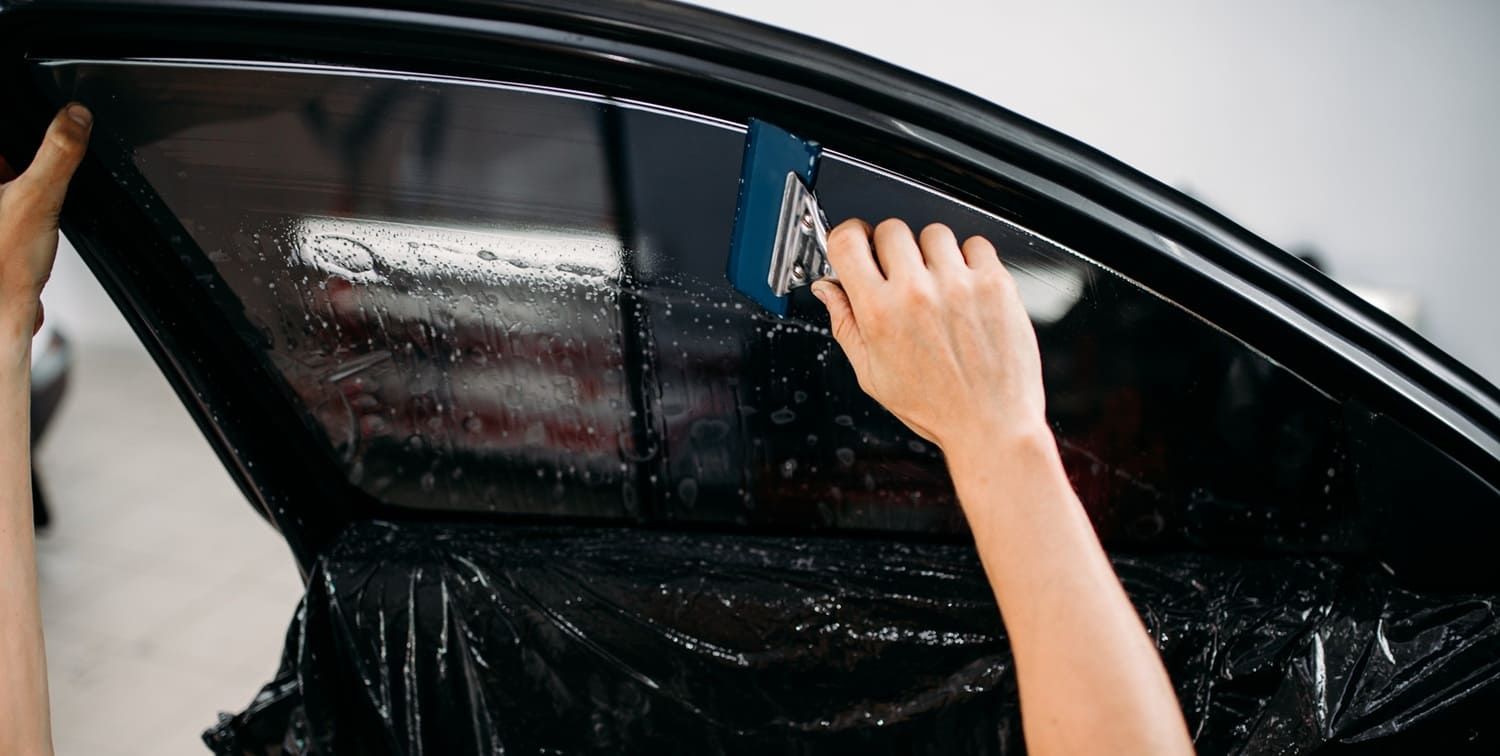
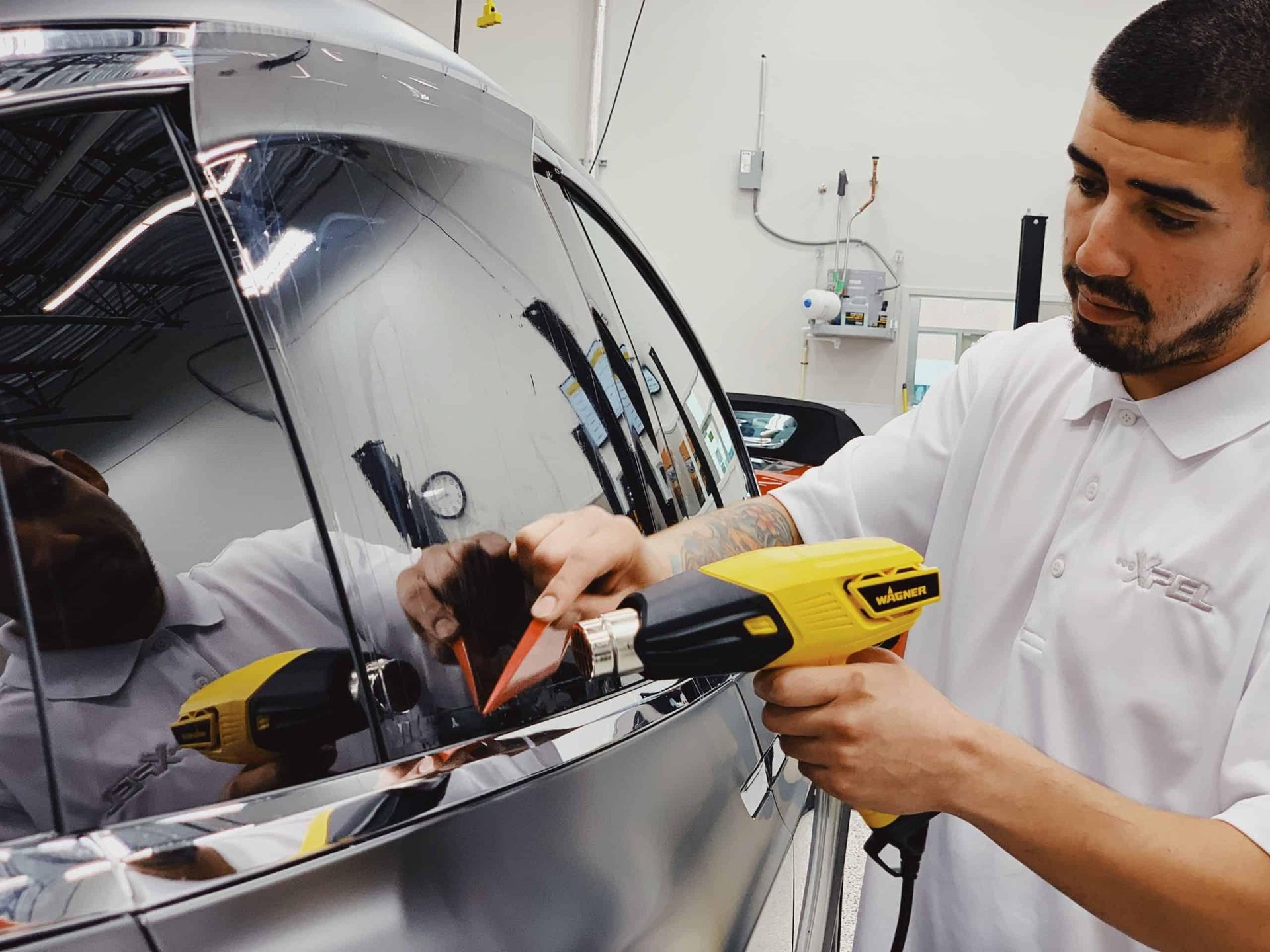
3. Precision Application
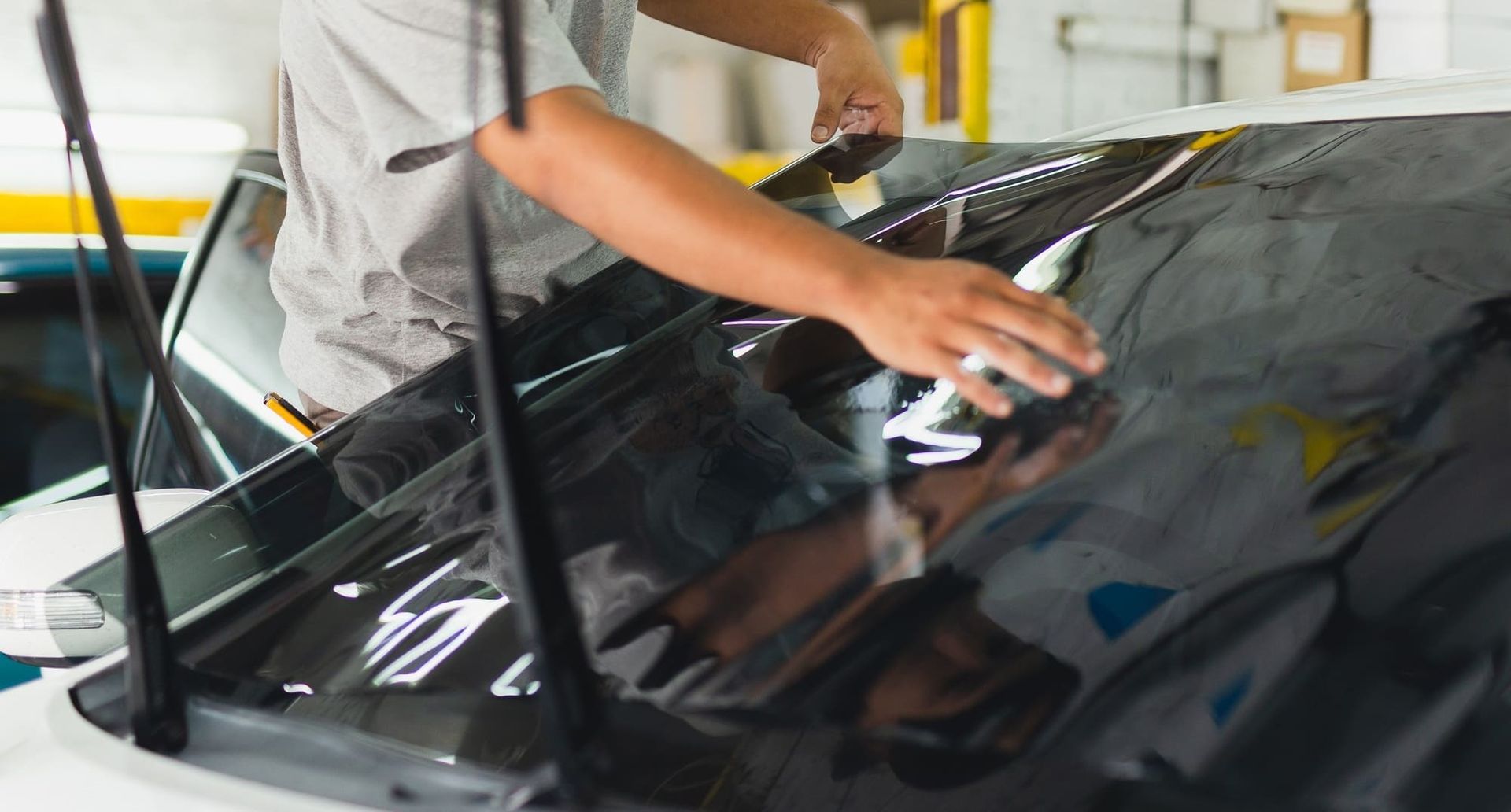
Film is cut and applied with precision to each window, then carefully smoothed to eliminate air bubbles and ensure full, edge-to-edge heat rejection coverage.
4. Curing Time
Ceramic film needs time to properly bond to the glass. Following the installer's aftercare instructions during this period helps the film reach full performance.
Why Choose Custom Glass Tinting for EV Ceramic Tint in Gainesville
Custom Glass Tinting has been a family-owned fixture in Gainesville since 1981, giving them decades of experience matching the right film to the right vehicle — including the growing number of EVs on North Central Florida roads. As a LLumar SelectPro Dealer, Custom Glass Tinting offers the exclusive FormulaOne High Performance Auto Tint line, known for strong infrared heat rejection without the signal interference risk that comes with older metalized films — an important consideration for EVs that rely on GPS, telematics, and wireless connectivity. Their auto tint installations come backed by a lifetime warranty against bubbling, cracking, and color change, and with over 100 verified 5-star reviews, Gainesville EV owners have a trusted local option for reducing cabin heat load and getting more comfortable, efficient drives out of a hot Florida summer.
Frequently Asked Questions About Ceramic Tint and EV Range
Does ceramic tint actually increase EV range?
Ceramic tint doesn't change your EV's rated range, but it can improve real-world usable range by reducing how much energy your AC system needs to cool the cabin, especially during hot Florida summers.
How much does AC use affect EV range in summer?
Climate control is one of the largest drains on EV range outside of driving itself, particularly in extreme heat, since all cooling energy comes directly from the battery rather than waste engine heat like in gas vehicles.
Is ceramic tint better than regular tint for EVs?
Yes. Ceramic tint offers significantly stronger infrared heat rejection than dyed film and, unlike metalized film, doesn't risk interfering with the GPS, sensors, and wireless connectivity many EVs rely on.
Will window tint affect my EV's battery thermal management system?
No. Tint doesn't interact with the battery's dedicated thermal management system, but it does reduce the overall cabin heat load, which can ease the demand on the vehicle's broader cooling systems.
Is ceramic tint legal on EVs in Florida?
Yes, as long as the installed VLT complies with Florida's legal limits, which apply the same way to EVs as to any other vehicle. A professional installer will confirm compliance before installation.
Does parking in the sun matter more for EVs than gas cars?
Yes, in terms of range impact. A sun-soaked EV cabin requires significant battery energy just to cool back down to a comfortable temperature before you even start driving, making tint's heat-rejection benefit especially valuable for EV owners.
How long does ceramic tint last on an EV?
Quality ceramic film installed by a trained professional can last the life of the vehicle when properly cared for, and is typically backed by a warranty against bubbling, cracking, or color change.
Keep More of Your Charge for Driving, Not Cooling
If Florida summers have you watching your EV's range estimate drop before you've even left the parking lot, ceramic tint is one of the most practical upgrades you can make to ease that AC-driven range loss. Custom Glass Tinting's LLumar SelectPro-certified team can help Gainesville-area EV owners choose the right ceramic film and confirm it meets Florida's legal tint requirements.
Call Custom Glass Tinting at (352) 377-8468 or visit their shop at 1605 NW 6th St, Gainesville, FL 32609, to request a free estimate for your EV today.