Best Window Tint for Florida Heat: 2026 Expert Comparison
Gainesville, Florida drivers know their vehicles face some of the harshest sunlight and hottest temperatures in the country. Florida's relentless heat, high humidity, and pounding UV rays quickly turn car interiors into ovens that are uncomfortable, damaging to upholstery and expensive electronics, and even a hazard to safety in summer. Excessive cabin heat accelerates interior fading, cracks leather, and forces your AC to work overtime—hurting comfort and draining fuel or battery range every mile you drive. A premium, high performance
window tint is no longer just about privacy or good looks—it's now the first line of defense for protecting your investment, reducing interior temperatures, and creating a cooler, safer, and more enjoyable ride in 2026. The right window film will shield you from Florida’s climate extremes and deliver year round comfort and protection for every mile on the road. Here’s how to choose the best solution for your driving needs in Gainesville, FL.
Table of Contents
- How Florida Heat Impacts Vehicle Interiors and Driving Comfort
- Comparing Window Tint Technologies: Dyed, Carbon, Ceramic, Nano Ceramic
- Infrared and UV Heat Rejection Performance in Gainesville
- Clarity, Visibility, and Glare Reduction: Modern Tint Differences
- Durability, Color Stability, and Fade Resistance in 2026 Films
- Florida Legal Considerations and Recommended VLT Levels
- Choosing the Best Tint for Your Driving Habits, Vehicle, and Sun Exposure
- FAQs: Window Tinting for Florida Heat
- Conclusion: The Best Window Tint for Florida in 2026
1. How Florida Heat Impacts Vehicle Interiors and Driving Comfort
Florida’s climate delivers year-round sunlight, high humidity, and some of the nation’s most intense heat, pushing vehicle cabin temperatures far above outside weather. Interior surfaces like dashboards, seats, and steering wheels can reach 150°F or more in peak summer. This not only makes getting into your car unbearable—it accelerates fading, cracking, and permanent damage to trim, leather, and sensitive electronics. Air conditioning must run longer and harder to cool the cabin, reducing overall fuel efficiency or battery range for EVs. Drivers and passengers suffer from discomfort, increased fatigue, and in extreme cases, health risks. Continuous sun exposure takes a toll over months and years—only the highest-performing window tints act as a reliable shield, providing not just comfort but also protecting vehicle value in Florida’s demanding environment.
2. Comparing Window Tint Technologies: Dyed, Carbon, Ceramic, Nano Ceramic
2026 drivers in Gainesville have more choices than ever—let’s break down the major film types:
| Tint Type | Heat Rejection | UV Blocking | Clarity | Durability | Signal Safety |
|---|---|---|---|---|---|
| Dyed | Good (35–50%) | Good (98%) | Basic | 5–7 years | Safe |
| Carbon | Better (50–70%) | Excellent (99%) | Better | 8–10 years | Safe |
| Ceramic | Excellent (up to 85%) | Superb (99%+) | Crystal clear | 10+ years | Safe |
| Nano Ceramic | Best (rejects up to 98% IR) | Top tier (99%+) | Optical clarity | 15+ years | Safe |
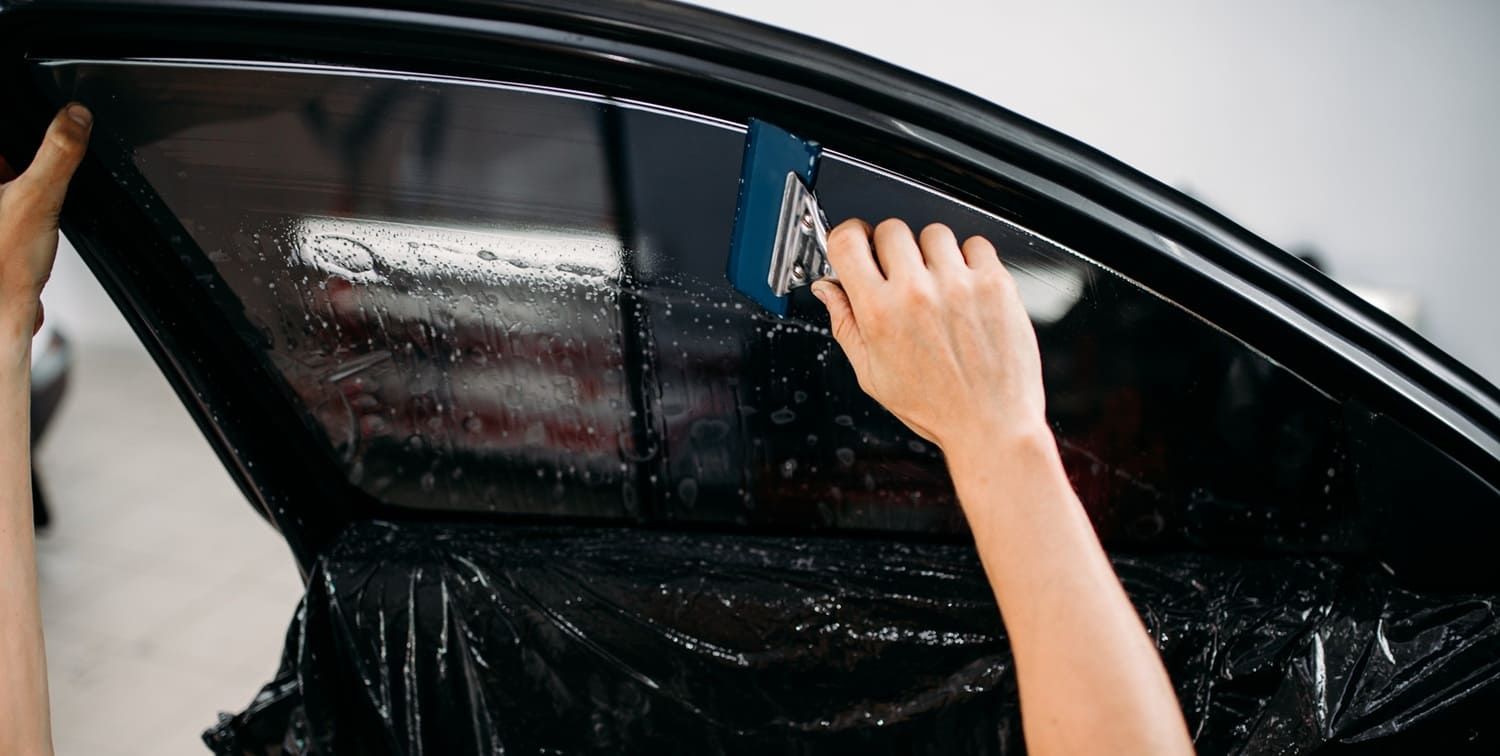
Dyed films are affordable and adequate for privacy, but struggle with long-term heat and color fade. Carbon films add insulation and better block infrared rays, while keeping interiors darker. Ceramic and nano ceramic films use microscopic particles to dramatically outperform older tints—delivering the coolest cabins, clearest views, best UV protection, and leading lifespan for Florida drivers in 2026.
3. Infrared and UV Heat Rejection Performance in Gainesville
Florida’s UV Index regularly ranks among the highest in the US, and infrared heat is the main cause of that stifling cabin temperature. Advanced ceramic and nano ceramic films block up to 99% of UV radiation and as much as 98% of damaging infrared rays, drastically reducing interior heat buildup beyond what’s possible with basic dyed or carbon tints. High heat rejection not only protects your skin and eyes, but keeps seats, dashboards, and electronics looking new. For Gainesville drivers, maximum IR and UV blocking is crucial—especially if you commute, park outside, or run pets and family around during the summer months.
4. Clarity, Visibility, and Glare Reduction: Modern Tint Differences
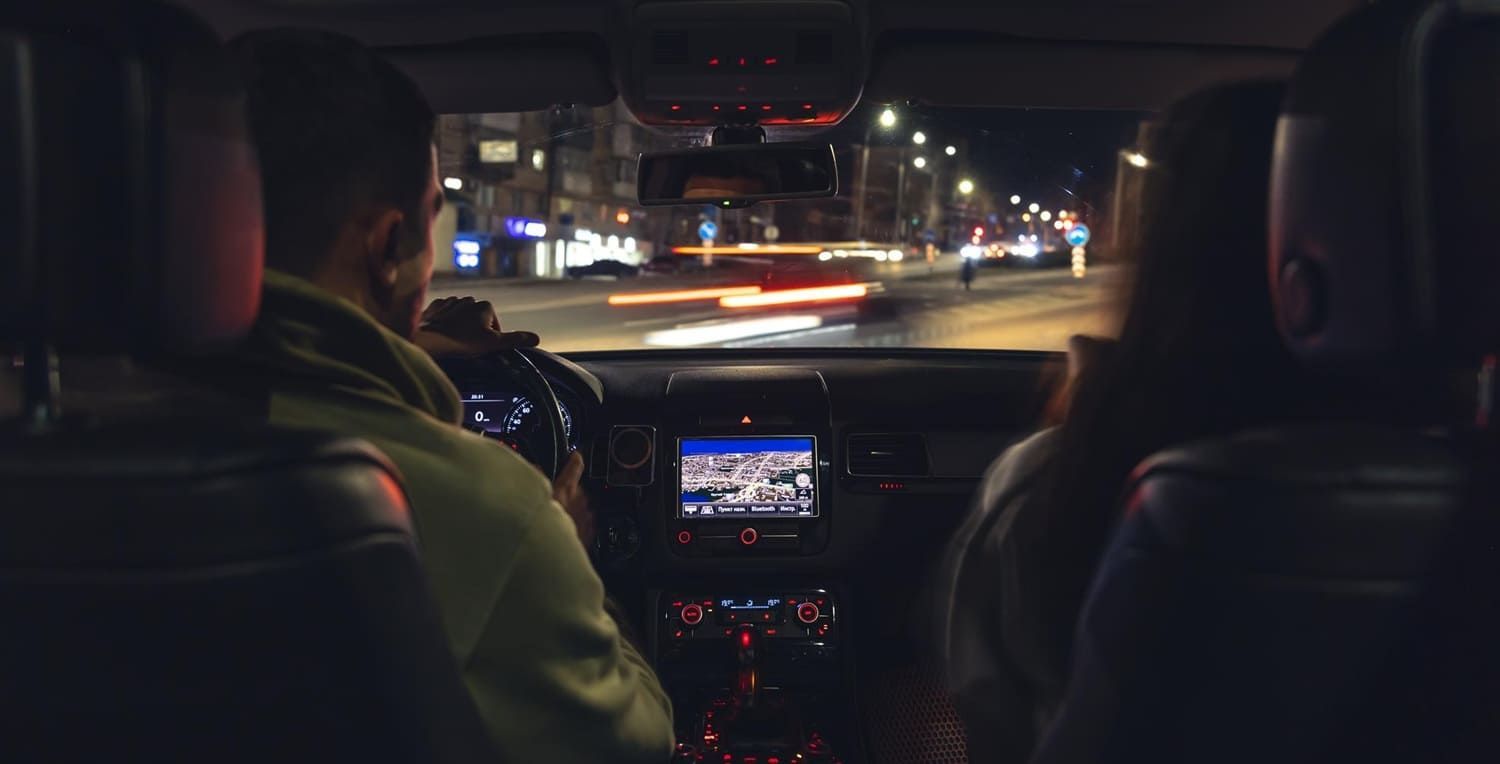
Some older tint types can cause hazy views, purpling, or reduce night visibility. Modern ceramic and nano ceramic window films use advanced formulations to offer complete clarity and consistent tint color, day or night. They provide outstanding glare reduction for safe daytime driving, comfort for children or sensitive eyes, and help prevent eye strain and headaches during long Florida trips. Carbon films provide good balance for budget buyers but can have slightly more reflective or tinted appearance when compared to premium ceramics. Night vision is a must—choose a tint that delivers comfort and clarity in all Gainesville driving conditions.
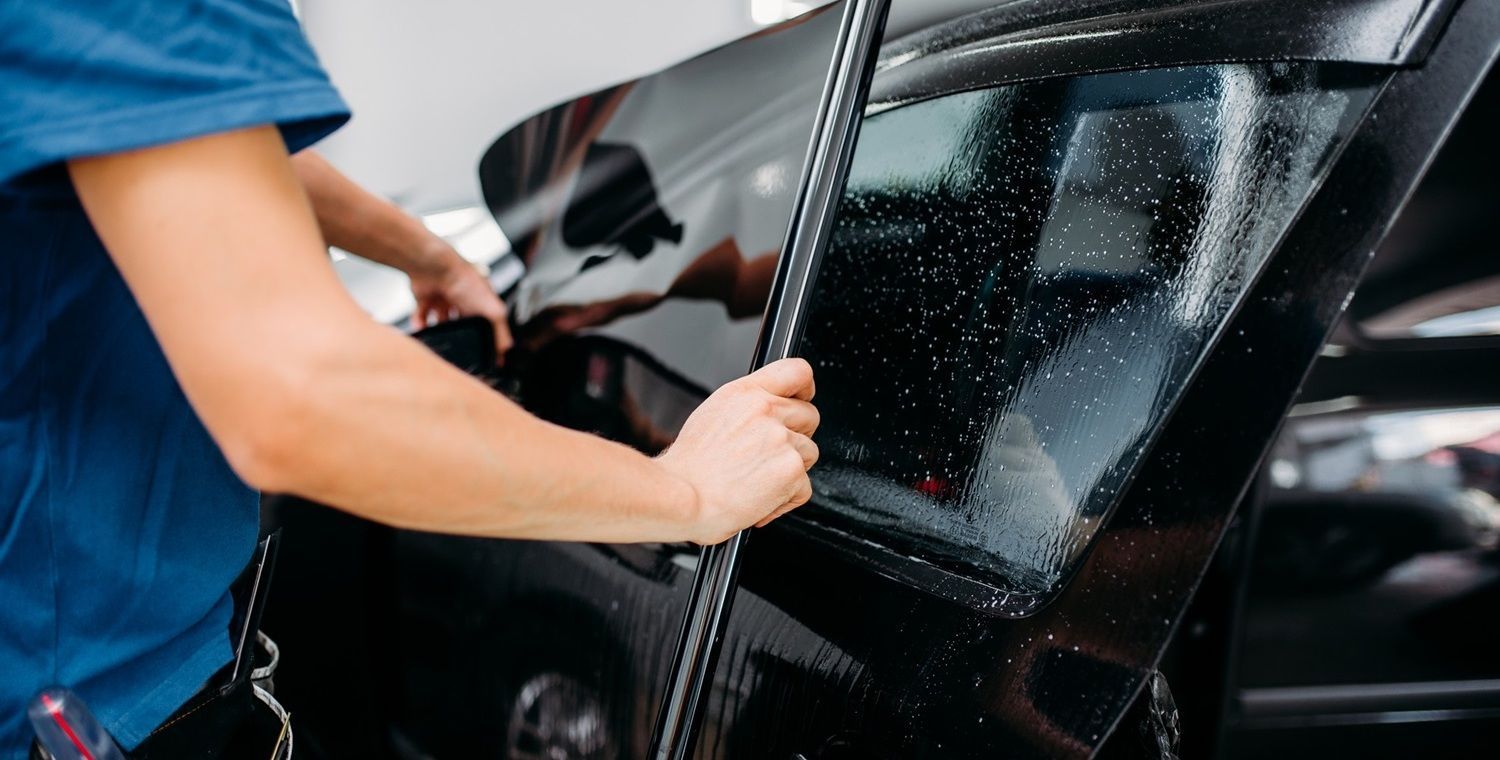
5. Durability, Color Stability, and Fade Resistance in 2026 Films
Humidity, heat, and UV exposure are relentless in Florida, causing low-quality tints to
bubble, fade, and peel in just a few summers. New-generation ceramic and nano ceramic window films are engineered for outstanding longevity—resisting color loss and fading for a decade or longer. Leading brands provide lifetime warranties and proven performance in the harshest tropical environments. Carbon films outperform traditional dyed tints for lifespan and look, offering similar stability at a more affordable price. Choose a professional,
warranty-backed tint to protect your investment and avoid costly replacement headaches.
| Film Type | Expected Lifespan | Fade Resistance | Warranty |
|---|---|---|---|
| Dyed | 5–7 years | Fair | Limited |
| Carbon | 8–10 years | Good | 5–10 yrs |
| Ceramic | 10+ years | Excellent | Lifetime |
| Nano Ceramic | 15+ years | Superior | Lifetime |
6. Florida Legal Considerations and Recommended VLT Levels
Florida state law requires different visible light transmission (VLT) for windshields, front side, and rear windows. As of 2026:
- Front windshield: Non-reflective tint above AS-1 line permitted
- Front sides: 28% VLT minimum
- Rear sides & rear window: 15% VLT minimum for passenger cars (SUVs, vans have different limits)
Regardless of tint type, always ask your installer about current compliance and request documentation for inspections. Heavily shaded or reflective films may result in fines or failed safety checks, so pick a legal, high-performance tint for peace of mind in Gainesville and throughout Florida.
7. Choosing the Best Tint for Your Driving Habits, Vehicle, and Sun Exposure
Commuter? Family taxi? Show car sweet spot? Your driving profile matters as much as your film of choice:
- Heavy commuters & parkers: Invest in high IR and UV rejection with nano ceramic for maximum comfort, skin protection, and interior preservation year round.
- Family and child transport: Focus on glare reduction, safety glass, and a reputable installer with the best lifetime warranty. Ceramic or high-end carbon films recommended.
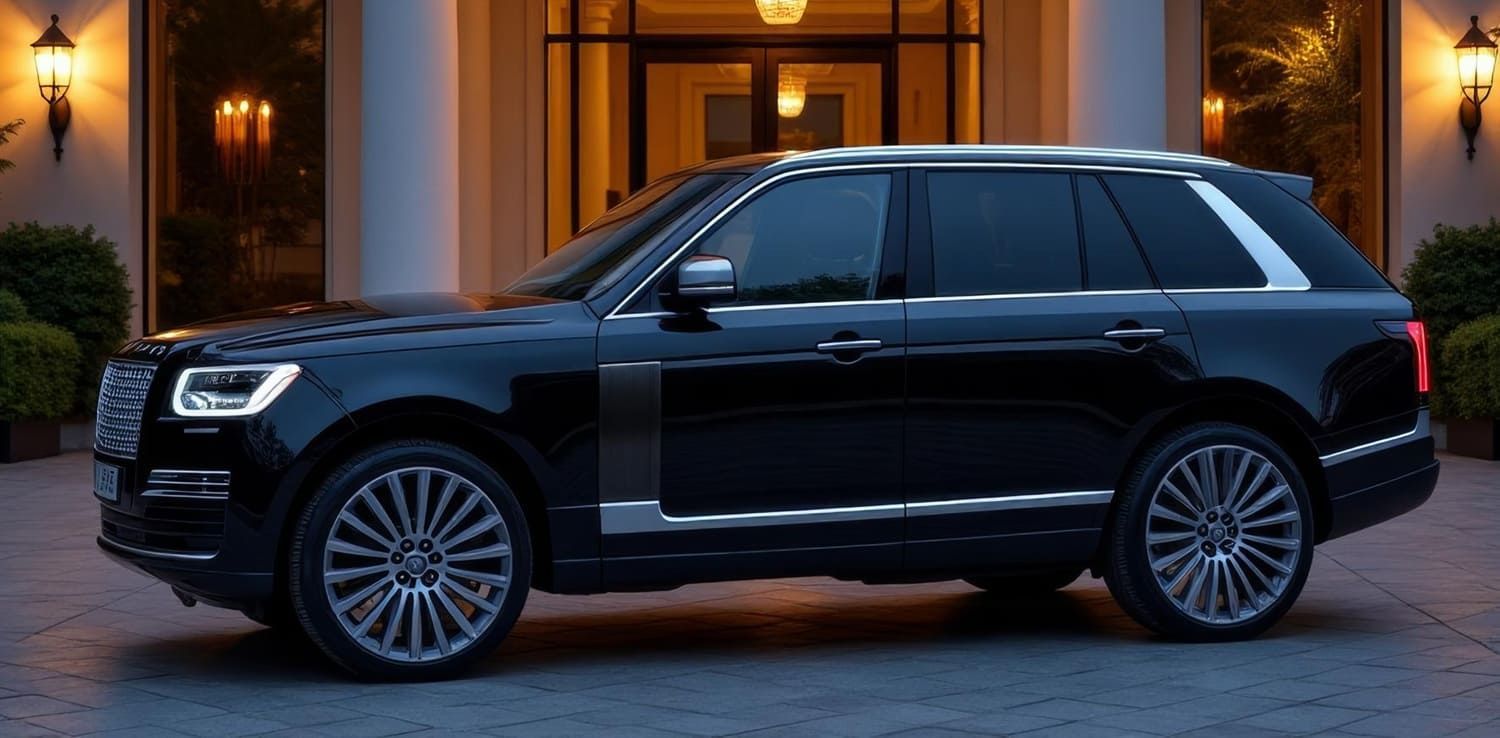
- Lifestyle/sports/luxury vehicles: Opt for top-tier nano ceramic—helps maintain interior finishes and achieves the sharpest look for Florida events and rideshares.
- Budget: Carbon is ideal for balancing price, good heat rejection, and improved color stability over dyed films, but ceramic is a better investment long term.
Work with a Gainesville-based expert, like Custom Glass Tinting, to select the perfect product. They’ll consider cabin size, glass area, preferred shade, and your daily exposure to Florida sunshine.
FAQs: Window Tinting for Florida Heat
Which window tint blocks the most heat for Florida cars?
Nano ceramic window film offers the highest heat and IR rejection currently available for Florida vehicles.
How does ceramic tint compare to carbon tint for heat?
Ceramic provides superior heat and UV blocking, especially for IR, while carbon offers improvement but not top-level heat reduction.
Will high performance tint impact nighttime driving visibility?
Premium ceramic and nano ceramic tints maintain excellent clarity and low reflectivity at night, unlike some older dyed or metallic films.
Is it legal to get very dark tint on my car in Florida?
Florida law restricts VLT to 28% on front sides and 15% on rears for most passenger vehicles—darker tints may result in fines.
How long will a quality window tint last in Florida’s climate?
Premium ceramic or nano ceramic tints regularly last 10 to 15 years or more, backed by manufacturer warranties.
Does darker tint always mean better heat rejection?
No—modern ceramics can provide far greater heat and UV blocking even in lighter shades, due to advanced IR filtering.
Can window tint fade or bubble in Florida’s sun?
Low-quality films (especially basic dyed) often fade or bubble quickly—top-tier films resist these problems for a decade or longer.
What’s the difference between UV and IR protection in window film?
UV protection shields interiors and skin, while IR filtering is critical for reducing actual cabin temperature and comfort.
Does window tint help EV battery range or fuel economy?
Yes, by reducing AC load, premium heat rejection tint can measurably improve EV efficiency and cut down on gas usage in Florida heat.
Why choose Custom Glass Tinting in Gainesville?
Local experts know Florida sun, humidity, and current laws, and provide professional installation and custom recommendations for every driving need.
Conclusion: The Best Window Tint for Florida in 2026
Florida’s climate demands the best window tinting technology for year-round comfort, vehicle value, and personal protection. While budget dyed and carbon films offer moderate benefits, 2026’s advanced ceramic and nano ceramic window tints lead every category—from superior heat and UV rejection to long-term durability and crystal-clear visibility. The right tint can reduce cabin temperatures by up to 40°F, protect your interior from fading, and make driving in Gainesville more comfortable in every season. For expert guidance and precision installation, trust Custom Glass Tinting in Gainesville, FL. Contact Custom Glass Tinting today to schedule your free estimate and let their experienced team help you choose the best window tint solution to beat Florida’s heat in 2026.