Which Window Tint Shade Balances Privacy and Night Driving?
Choosing the right window tint shade is a balance between daytime privacy, cabin comfort, and safe visibility after the sun goes down. Many drivers in
Gainesville, FL assume darker is always better, but that can backfire. Going too dark can reduce your ability to spot pedestrians, cyclists, animals, and road hazards at night, especially in rain or on unlit roads. At the same time, going too light can leave you feeling exposed during the day and still struggling with glare and heat. The good news is that modern tint technology makes it easier to achieve both goals when you choose the right film and the right VLT, or visible light transmission. Premium films can deliver meaningful
heat rejection and glare control without forcing you into the darkest shade. In this guide, you will learn how tint shade percentages work, which VLT levels tend to balance privacy and night driving, how Florida tint laws influence your options, and why working with a SelectPro dealer like
Custom Glass Tinting for
LLumar FormulaOne window tint helps you get privacy, comfort, and outstanding window tint visibility at night.
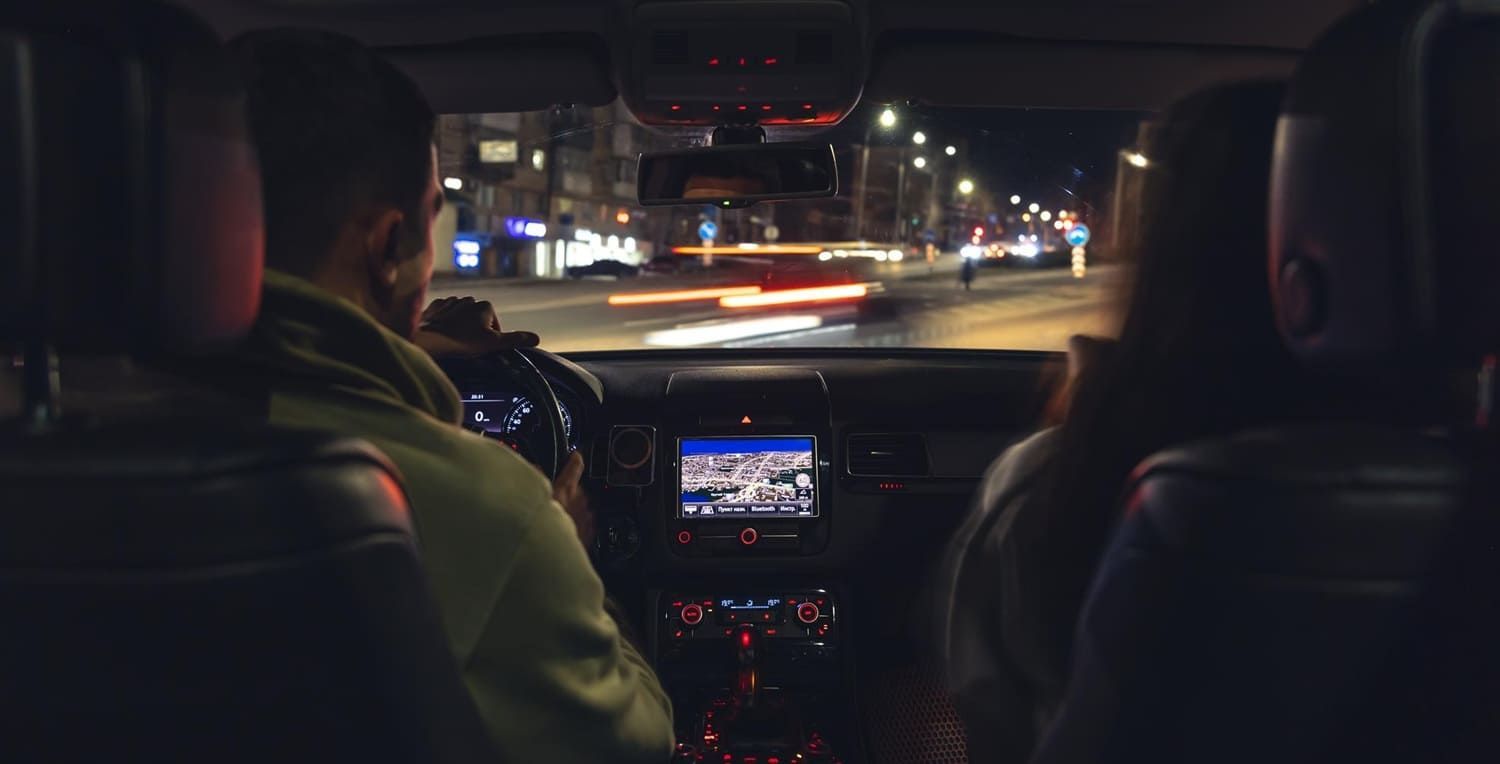
Table of Contents
- How Tint Shade Levels Work and What VLT Means
- Privacy vs Night Visibility: The Real Relationship
- Comparing Common Tint Shades in Real Driving
- How Ceramic and Nano Ceramic Films Keep Clarity
- Florida Window Tint Laws and Shade Selection
- Vehicle and Driver Factors That Change Night Vision
- Why Pro Guidance and Installation Improve Results
- FAQ: Best Window Tint Shade for Night Driving
- Conclusion and Free Estimate CTA
How Tint Shade Levels Work and What VLT Means
Window tint shade is measured using VLT, which stands for visible light transmission. VLT is the percentage of visible light that passes through the glass and film combination. Higher VLT means more light gets through and the window looks lighter. Lower VLT means less light gets through and the window looks darker.
Many vehicle owners talk about tint in terms of “percent,” like 5 percent, 20 percent, or 35 percent. In almost every case, that number refers to VLT. A 5 percent tint is very dark and lets in only about 5 percent of visible light. A 35 percent tint is much lighter and lets in about 35 percent of visible light. The key is that the number is about visible light, not heat. You can have a film that is relatively light in VLT but still excellent at rejecting infrared heat, which is one reason
ceramic window tint clarity is such an important topic.
VLT is also affected by the glass itself. Factory glass can have a slight tint or different baseline light transmission. That means the final number you see on your car is the combined VLT of the glass plus the film. This is why a professional shop will talk about legal compliance and measured VLT rather than just the film label.
| Common VLT | How Dark It Looks | Daytime Privacy | Night Visibility Impact |
|---|---|---|---|
| 50% | Light | Low to moderate | Minimal for most drivers |
| 35% | Medium | Moderate | Low to moderate |
| 20% | Dark | High | Moderate to high |
| 5% | Very dark | Very high | High, not ideal for many at night |
Privacy vs Night Visibility: The Real Relationship
Privacy and night driving visibility move in opposite directions as tint gets darker. That seems obvious, but the real-world relationship is not linear. A small jump darker can make a big difference in privacy during the day. The same jump can feel much bigger at night if you drive on poorly lit roads, have aging headlights, or wear glasses.
During the day, sunlight provides strong ambient light, so even a darker film can still allow enough visibility to drive comfortably. At night, your eyes depend on far less light. That means a tint that feels fine in daylight can feel restrictive after dark, especially when backing up, merging, or turning across crosswalks. This is why many drivers in Gainesville search for the best window tint shade for night driving rather than the darkest possible shade.
Glare is a related factor. Glare from headlights and streetlights can reduce your night vision, and tint can help, but very dark tint can also reduce your ability to see into shadows. The best approach is usually not to chase maximum darkness. Instead, use a film that improves heat rejection and glare comfort while preserving clear optics. That is where premium products like LLumar FormulaOne window tint stand out when installed by a SelectPro dealer.
Comparing Common Tint Shades in Real Driving
Drivers often ask for a simple answer, such as “what tint should I get.” The truth is that the best choice depends on your vehicle, your commute, and your comfort at night. Still, there are common patterns that help Gainesville drivers choose smartly.
50 percent VLT. This is a great option for drivers who prioritize night visibility, want a subtle factory look, and still want heat and UV protection. With a high-performance film, 50 percent can feel noticeably more comfortable in the sun while remaining easy to see through after dark.
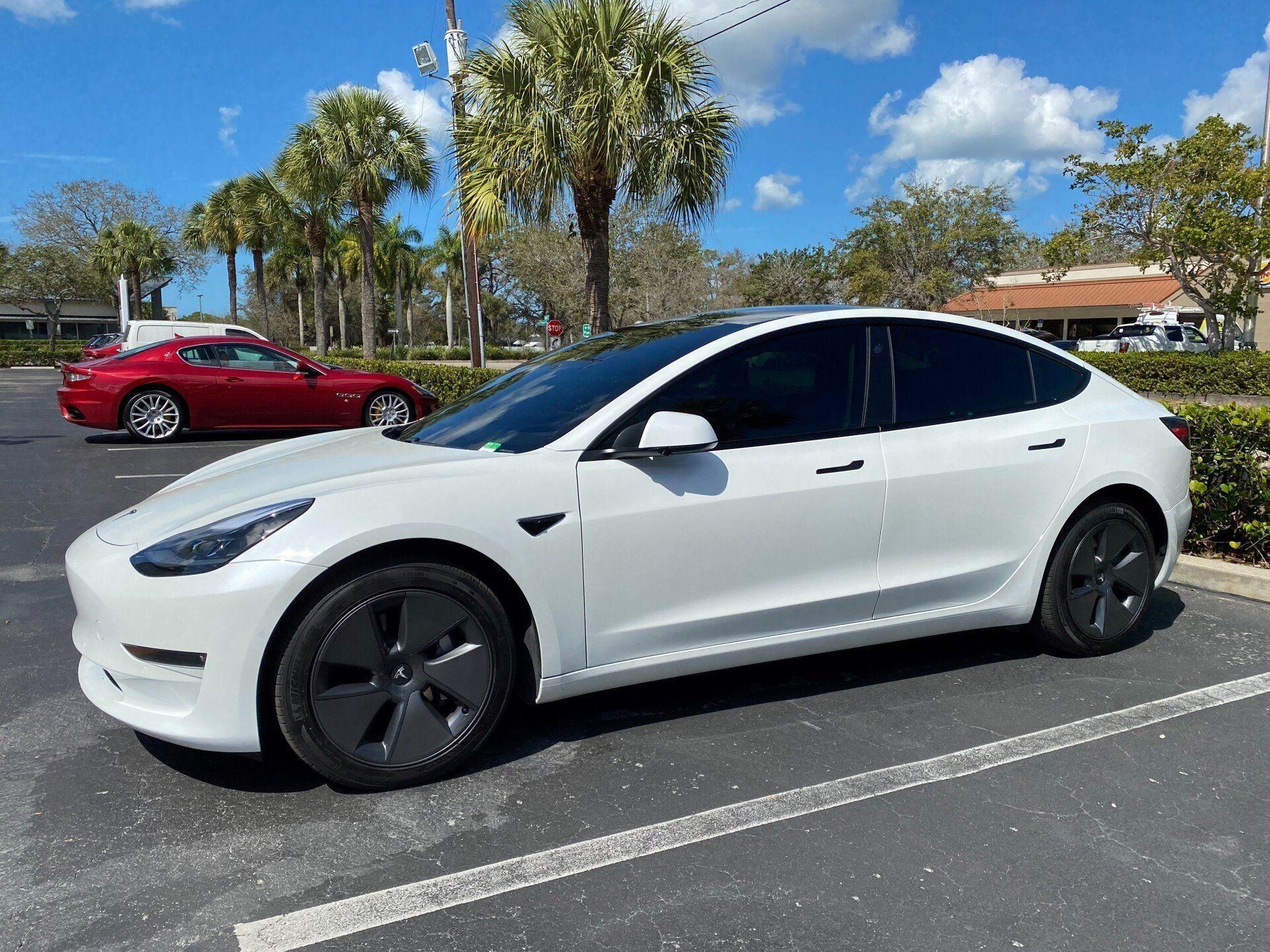
35 percent VLT. This is one of the most popular balances between privacy and visibility. It offers a stronger visual change, better daytime privacy, and usually remains manageable at night for many drivers with good headlights and normal night vision.
20 percent VLT. This level increases privacy and looks noticeably darker. It can still be usable at night, but the impact becomes more driver-dependent. If your vehicle has older headlights or you frequently drive rural roads, 20 percent may feel too dark on some windows.
5 percent VLT. Often called limo tint, 5 percent provides maximum privacy but can significantly reduce night visibility. Many drivers love the daytime look and privacy. Others find it unsafe for night driving, especially on side windows. It is best treated as a specialized choice and discussed carefully with a professional.
| Shade | Best For | Night Driving Notes | Typical Recommendation |
|---|---|---|---|
| 50% | Maximum clarity, subtle privacy | Excellent visibility for most drivers | Great for front windows when legal |
| 35% | Balanced privacy and visibility | Usually comfortable with good lighting | Common all-around choice |
| 20% | Higher privacy and appearance | Can be challenging on dark roads | Often better for rear windows |
| 5% | Maximum privacy | Often too dark for safe night driving | Use with caution, confirm legality |
How Ceramic and Nano Ceramic Films Keep Clarity
Many people assume the only way to get better comfort is to go darker. Modern films have changed that. Ceramic and nano ceramic technologies can improve heat rejection while keeping a lighter VLT that supports safer night visibility. That is why ceramic window tint clarity is now a major factor in smart shade selection.
Ceramic films use advanced particles that are designed to reduce infrared energy transmission. The result is a cooler cabin feel without needing the darkest shade. That can be valuable in Gainesville where sun intensity can be high for much of the year. A driver can choose a more night-friendly VLT while still getting meaningful comfort improvements.
Optical clarity also matters. A lower-quality film can introduce haze, distortion, or a low-contrast look at night. Premium products are engineered for clearer optics, which helps drivers maintain confidence on dark roads. As a SelectPro LLumar dealer, Custom Glass Tinting installs LLumar FormulaOne Window Tinting products known for excellent heat rejection and privacy while maintaining outstanding night time visibility when selected correctly.
Florida Window Tint Laws and Shade Selection
Florida laws influence what tint shades are allowed on different windows. The details depend on window location and vehicle type. The important takeaway is that legal compliance is about the final VLT on the glass, not just the film label. That is one reason a professional tint shop is so valuable. A shop can help you choose a shade that meets your privacy goals while staying compliant.
Legal tint is not only about avoiding tickets. It also supports safe driving. Laws exist because visibility matters for drivers and for law enforcement safety during traffic stops. A shade that balances privacy and visibility often aligns well with legal limits, especially when paired with a premium heat-rejecting film.
| Window Area | Goal | Shade Strategy | Why It Helps |
|---|---|---|---|
| Front side windows | Night visibility plus comfort | Choose a lighter VLT with premium film | Safer at night, still reduces heat |
| Rear side windows | Privacy | Go darker if needed and legal | Better privacy with less night risk |
| Back glass | Privacy and glare | Balance darkness with rear visibility | Helps driving and backing up |
Vehicle and Driver Factors That Change Night Vision
Two drivers can choose the same tint and have very different experiences at night. This section is critical for anyone searching window tint visibility at night because the variables are real and often overlooked.
Headlight performance. Older halogen headlights, cloudy lenses, and misaligned beams reduce your ability to see. Dark tint can magnify that problem. Restoring headlights and ensuring proper aim can make a noticeable difference.
Windshield angle and glass area. Vehicles with smaller windows or thick pillars already reduce visibility. A very dark tint on top of that can make nighttime lane checks feel uncomfortable.
Driver vision. If you wear glasses, have astigmatism, or are sensitive to glare, tint choice becomes more personal. Some drivers benefit from moderate tint to reduce glare. Others need lighter VLT to keep detail visible at night.
Where you drive. Gainesville has well-lit areas and darker rural roads nearby. If your commute includes unlit roads, lighter front window tint may be the safer choice.
Why Pro Guidance and Installation Improve Results
The best tint decision is not only about picking a number. It is about selecting the right film technology, confirming legal compliance, and installing it correctly for clear optics. Professional consultation helps you match shade to your driving reality. A shop can discuss your privacy goals, where you drive at night, and whether you want the same shade all around or a staggered approach that keeps the front lighter and the rear darker.
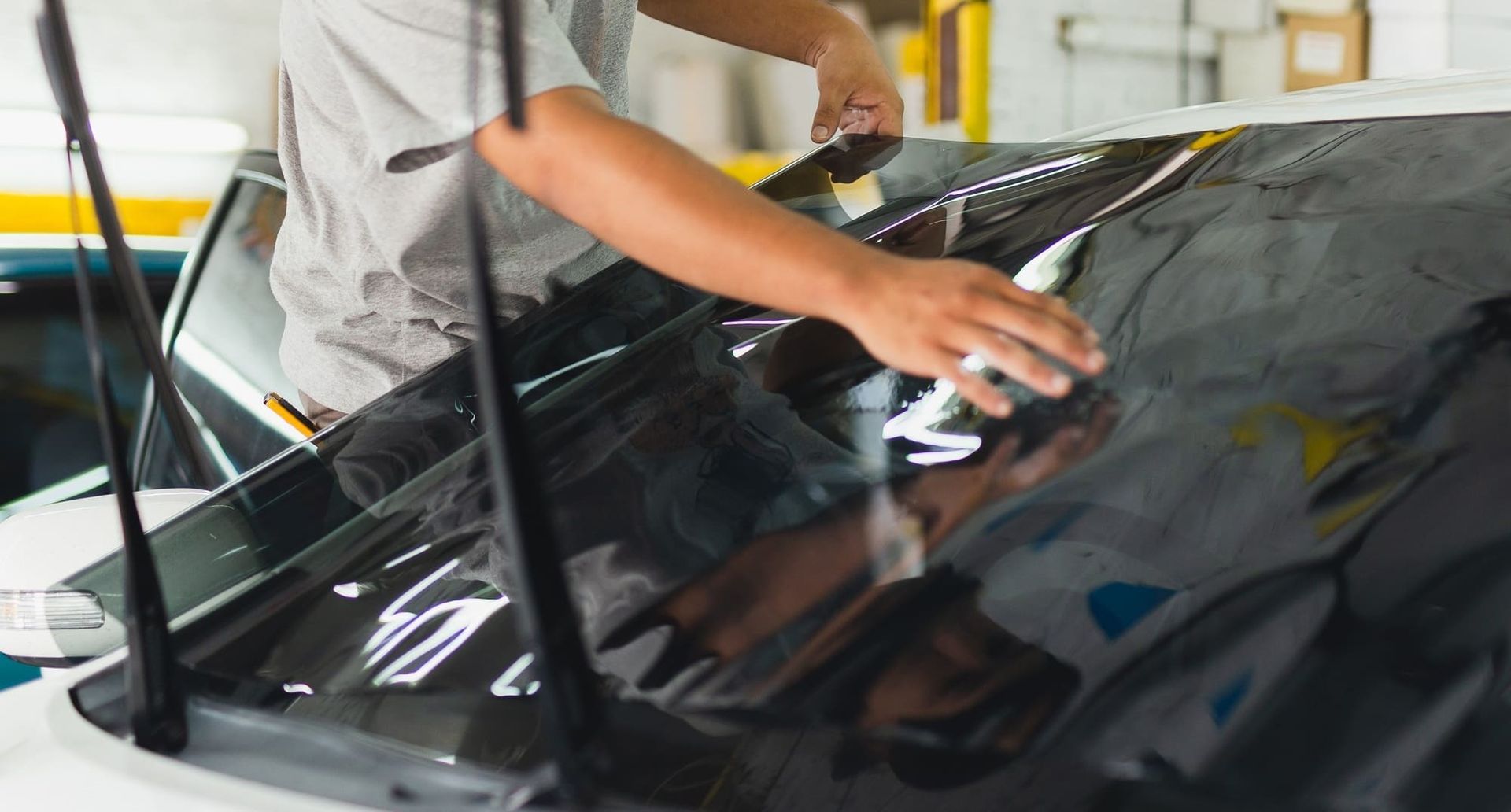
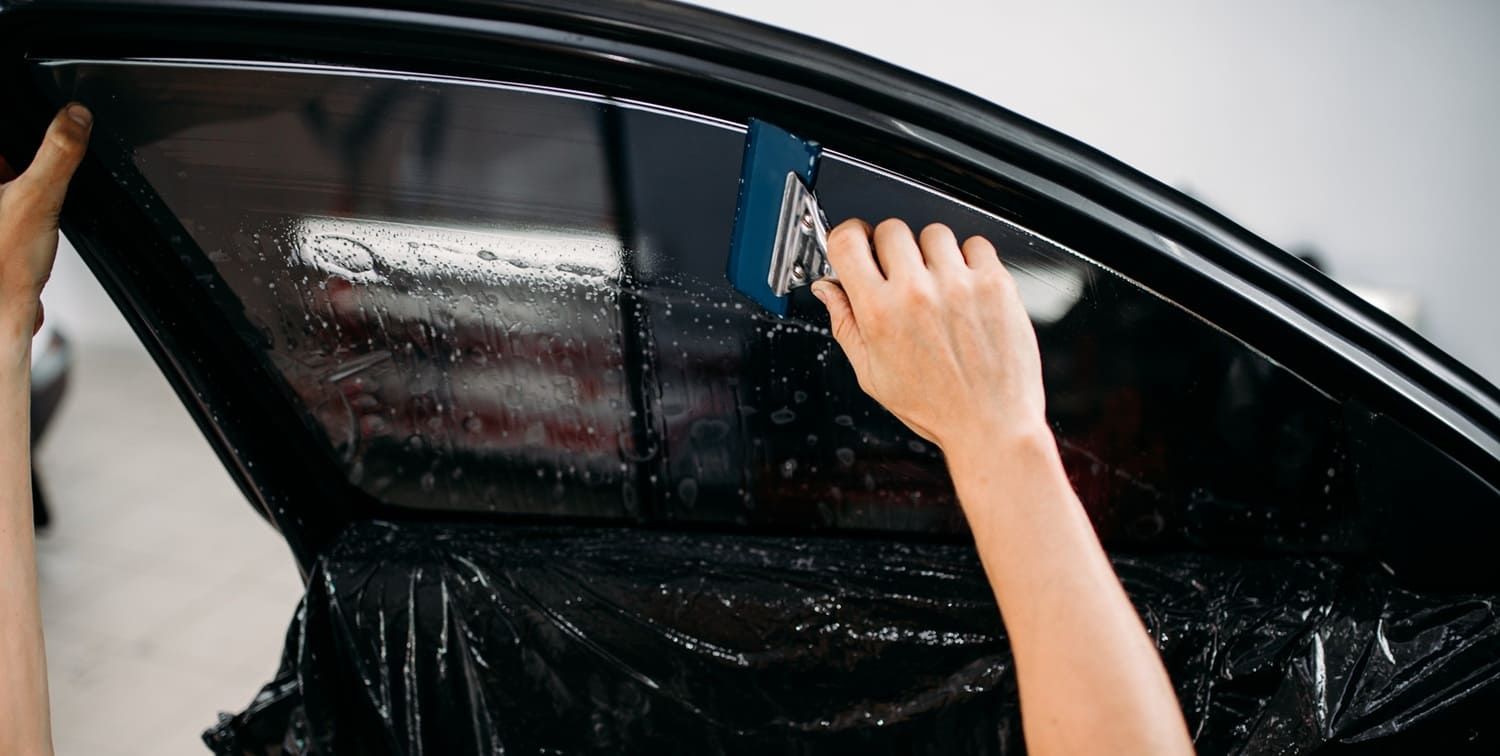
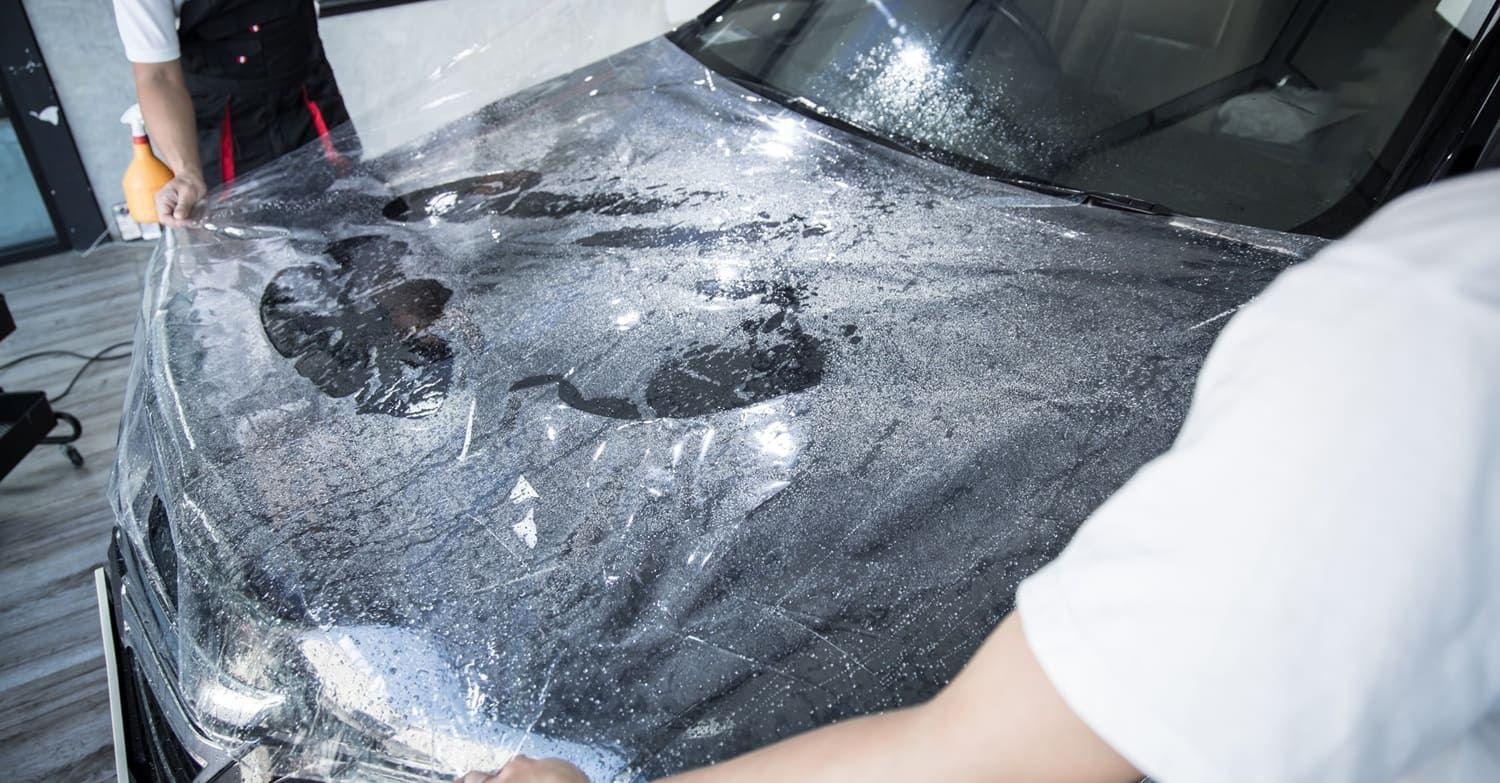
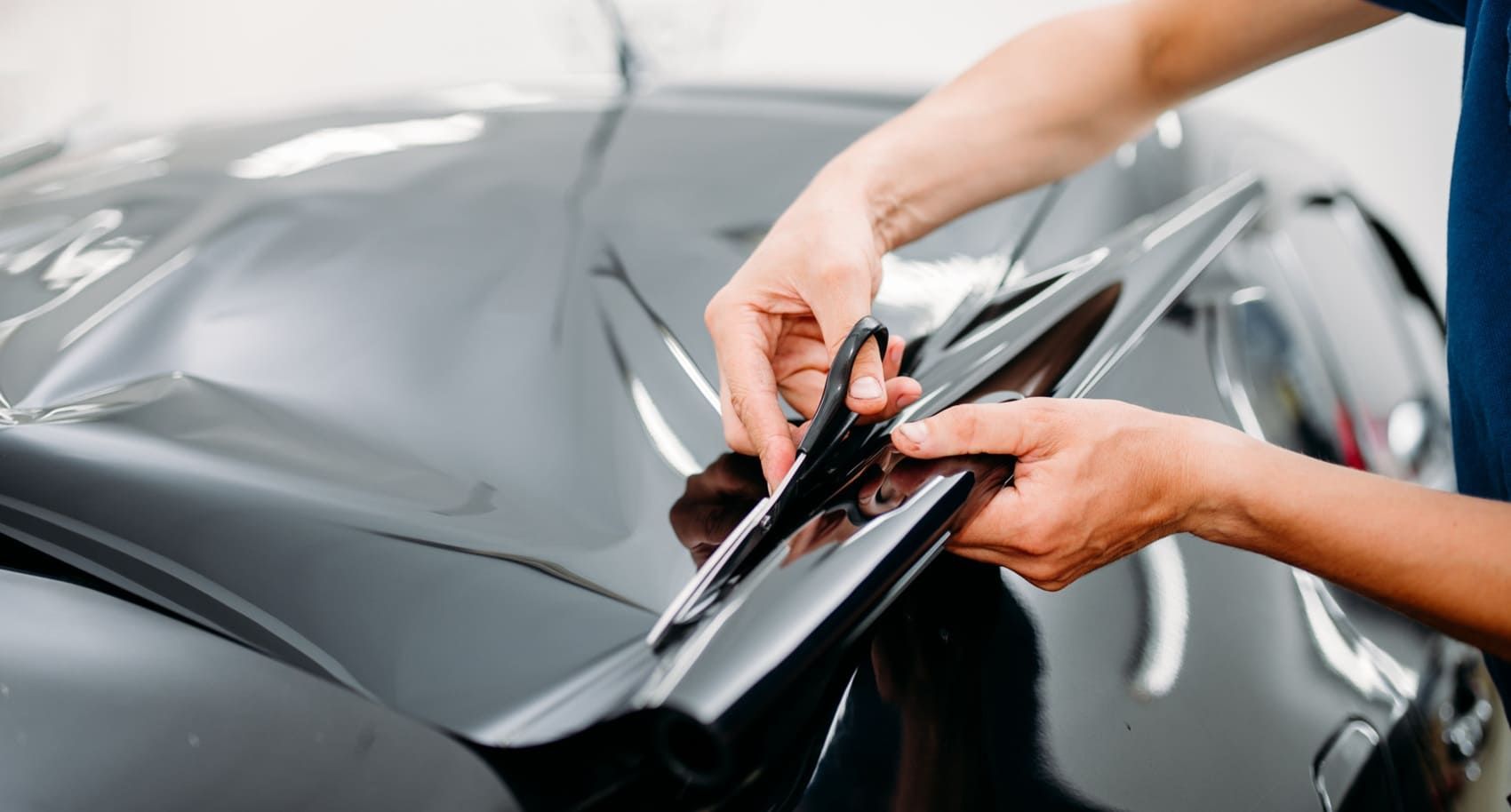
Professional installation also affects long term clarity. A clean install reduces the risk of contamination, bubbles, and edge lifting. It also ensures the film is heat shrunk and fitted correctly on curved glass for a factory-finish look.
Custom Glass Tinting is a SelectPro LLumar dealer installing LLumar FormulaOne Window Tinting products designed to deliver excellent heat rejection and privacy while maintaining outstanding night time visibility when selected and installed correctly. For Gainesville drivers who want a confident, safe setup, that combination matters.
FAQ: Best Window Tint Shade for Night Driving
Is darker tint safer?
Not always. Darker tint can reduce visibility at night. Safety depends on your vision, lighting, and film clarity.
What is the best window tint shade for night driving?
Many drivers prefer a lighter VLT on front windows, paired with a high-performance film for heat rejection.
How is ceramic tint different from traditional tint?
Ceramic films can reject more infrared heat while staying lighter and clearer than many dyed films.
Does tint help with headlight glare at night?
It can reduce glare, but overly dark tint can make dark areas harder to see.
Can I go darker on the rear windows and lighter on the front?
Yes. Many drivers choose this to increase privacy while preserving night visibility.
Is 5 percent tint a good choice for Gainesville drivers?
It offers maximum privacy but often reduces night visibility significantly. Discuss it carefully before choosing.
Is LLumar FormulaOne window tint good for night visibility?
Premium films are engineered for optical clarity, which supports better nighttime driving compared to low-quality films.
How can I test visibility before installation?
View vehicles with similar shades at night, and ask your tint shop about sample demonstrations and recommendations.
Will tint affect my backup camera?
Cameras are usually outside the tint area, but rear glass darkness can affect what you see through mirrors and windows.
How do I stay legal with tint in Florida?
Choose a shade that meets Florida VLT requirements for your window locations and confirm final VLT after install.
Conclusion and Free Estimate CTA
The best tint setup is the one that gives you real privacy and comfort during the day while keeping you confident and safe at night. That usually means choosing a VLT that matches your night driving conditions and your personal vision, then pairing it with a premium film technology that delivers heat rejection and glare control without forcing you into the darkest shade. With ceramic and nano ceramic options, Gainesville drivers can often achieve both goals when the film is selected correctly.
If you want expert help choosing the best window tint shade for night driving and privacy window tint in
Gainesville, FL,
contact
Custom Glass Tinting . As a SelectPro dealer, we provide professional installation of
LLumar FormulaOne Window Tint and can give you a
free estimate for a tint solution tailored to your driving needs, comfort goals, and legal requirements.